
“How can we take a longer-term, preventative approach to workforce health – and who needs to step up to make it happen?”
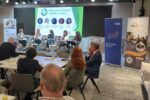
This was the central question at the heart of the 7th May Leaders’ Club meeting, which brought together senior leaders from across sectors to explore the future of workplace health and wellbeing. Chaired by Dame Carol Black GBE, the session featured insights from Charlie Newton, Global Head of Occupational Health, Google, and Helen Matthews, former Chief People Officer at Weber Shandwick.
Informed by the Health Foundation’s Action for Healthier Working Lives commission and the ongoing national debate around economic inactivity, the session focused on three critical themes: the shifting healthcare and employment landscape, the need for a bold long-term vision, and practical steps employers can take to keep people in work and thriving.
The challenge: a workforce under pressure
Dame Carol painted a stark picture of the current landscape. The UK is witnessing a troubling rise in mental health issues among young people and an increase in older workers leaving the workforce post-pandemic. Rates of economic inactivity remain high, and presenteeism is a growing concern. As one panellist put it:
“We’re losing people at both ends of the employment spectrum, and that’s not sustainable for businesses or the economy.”
The Health Foundation’s commission identified three major barriers to progress: financial constraints, a lack of robust evidence on what works, and interventions that fail to address the root causes of poor health. For example, 31% of employers believe wellbeing apps are ineffective; 23% question the impact of traditional occupational health; and 20% feel that conventional EAPs aren’t delivering results. Without a new approach, employers face the twin threats of rising costs and a shrinking, disengaged workforce.
Shifting expectations of employers and government
The discussion turned to the roles of employers and government. With a background in occupational health, one attendee stressed the fundamental link between work and health:
“We need to define what good work looks like and ensure that it’s accessible to everyone. That’s not just an employer issue – government policy plays a huge part.”
Structural challenges were also highlighted: hybrid work dynamics, financial pressures, and the loss of intergenerational connection in the workplace. One participant noted:
“We’re losing mentoring and intergenerational learning because senior leaders are often remote while younger workers are in the office.”
Others observed that younger employees today are looking for more than a job – they want meaningful experiences. This raises a new challenge: how can the workplace be redesigned to offer that sense of purpose?
Bite-size best practice: making hybrid work
One speaker shared a compelling example of co-creating a successful hybrid working model. Post-pandemic, they engaged in 45 hours of “watering hole” discussions, inviting staff across generations to share their hopes and concerns. Their inclusion board and ERG networks played a key role in surfacing diverse perspectives.
The result was a co-authored contract outlining shared expectations. This helped build trust and ensured that leaders were accountable for maintaining mentoring and connection – even in a hybrid environment.
Doing better, not just doing more
A key takeaway was that employers don’t necessarily need to do more – they need to do the right things. One attendee put it succinctly:
“We’re in danger of doing the same thing over and over again and expecting a different result. Line managers and HR teams are overwhelmed. We need to look at the data, listen deeply, and focus on impact.”
The case for a preventative mindset
The consensus was clear: employers cannot afford to wait until employees are unwell. Prevention must come first.
But what does “good health” mean – and how do we define “good work”? These are complex questions, with answers that vary by individual. Tackling them requires a shift in mindset, moving from reactive to proactive strategies.
Legislation on psychosocial risk (as seen in Australia) was discussed, but attendees agreed that regulation alone isn’t enough. Effective prevention requires stronger education, better training for managers, and a culture of trust and inclusion.
One attendee called for government support in funding preventative health screening, noting that in Scandinavian countries, both insurance systems and governments play a more active role in keeping people well and in work.
The message was clear: health is a shared responsibility – of employers, government, and society as a whole.
Practical steps and priorities
The group outlined several actionable priorities for employers:
- Measure what matters: Assess the real impact of wellbeing initiatives and clearly communicate outcomes to employees and senior stakeholders – especially finance teams.
- Build health into leadership: Embed wellbeing into leadership development at all levels. There were calls for CIPD and finance training bodies to integrate this into their standard curricula too.
- Prepare for AI and automation: Anticipate how new technologies will reshape work and influence employee health.
- Support a multi-generational workforce: Design roles and training to support older colleagues, value their experience, and keep them in the workforce longer.
- Act on evidence: Employers were encouraged to revisit the Health Foundation’s recommendations and prioritise interventions with a strong evidence base.
Turning talk into action
As part of the Leaders’ Club’s commitment, attendees left with practical actions:
“We’re going to review the Health Foundation’s findings and use them to sharpen how we measure the success of our wellbeing interventions.”
“I want to integrate wellbeing into our leadership development programmes – it can’t be treated as a bolt-on.”
“We need a more strategic conversation about how AI and automation will affect our people and their health – and we need to start now.”
Conclusion: building a longer-term vision
This Leaders’ Club session reaffirmed that there are no shortcuts to better workplace health. The UK continues to lag behind countries like those in Scandinavia, where a more holistic approach is the norm. Short-term thinking has held back real progress.
Employers can’t fix the system alone – but they do have the power to lead. By adopting a preventative mindset, building the evidence base, and working collaboratively with government and peers, organisations can help create a healthier, more resilient workforce fit for the future.
create a healthier, more resilient workforce for the future.
You might also like:
If you are a senior representative of an employer with decision making capacity and a workplace culture, employee health and wellbeing remit, and you’d like to join the Make A Difference, you can find out more and apply to join here: https://makeadifference.media/community/