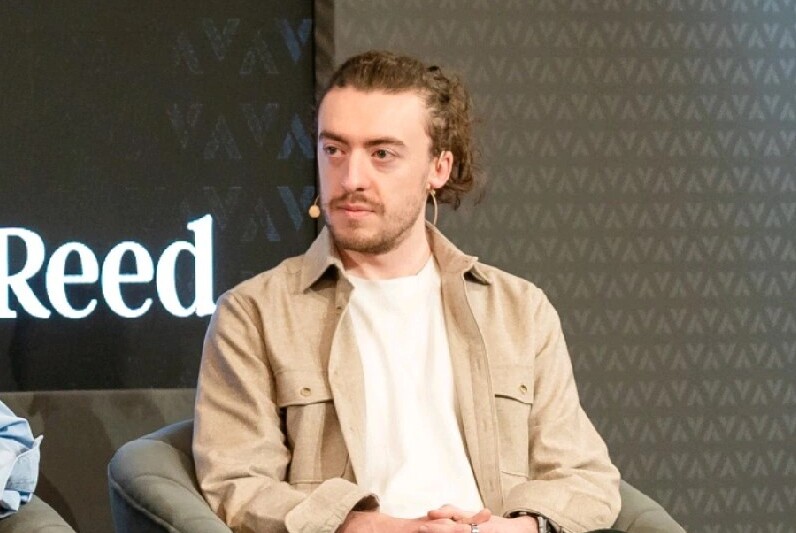
If anyone understands the mindset of young generations about to enter the workforce, it’s MAD World roundtable facilitator Alex Smith, Global Lead, Lifestyle, Leisure, Earning & Wellbeing, UNiDAYS.
He’ll be leading a conversation around rethinking readiness, expectations and wellbeing when it comes to the next generation workforce, preceding the closing keynote on ‘five generations at work, how we win together, for good’.
For more information on the MAD World Leaders Summit agenda and to register, see here. Look out for Alex on the MAD Leaders Podcast, too, on Spotify or Apple Podcasts, or wherever you get your podcasts
We caught up with Alex to hear more…
Tell me a bit about UNiDAYS and why you’re so well placed to talk about working with the younger generation….
UNiDAYS days has been around for over 10 years and it’s, in its most basic form, a marketplace for student discounts on anything from trainers to laptops to holidays.
But our mission is actually a lot broader than this: it’s to support, enable and inspire young people to be their best selves. It’s essentially my job to get into the shoes of younger generations and understand them.
Early on, we identified their mental wellbeing and their academic studies as two key areas having the biggest impact on them.
I have a unique insight into how the younger generations think because we’ve spent so much time trying to understand what they are struggling with and creating initiatives which help. For example, we have partnerships with things like Better Help for online therapy.
We also have a new focus on preparing young people for life after university, in employment, which is what I’m looking forward to speaking to employers at MAD World about.
What are the younger generations most concerned about in your opinion?
The cost of living has been a huge concern in the last few years. That’s consistently the number 1 concern that comes back in feedback.
Can you give me a flavour of how you hope to facilitate this conversation at MAD World?
Yes. There’s a strong narrative I’ve heard about how the next generation are more difficult than previous generations. For instance, talk of ‘snowflakes’ is definitely part of this narrative.
My personal view is that this is far, far too simplistic a view of what’s actually going on.
For me, there’s two key differences when considering the younger generation.
One of them is the world that they’ve grown up in, which is undoubtedly different to the world that previous generations have grown up in. That has an impact on how they are as people and how they are as employees.
The second is that these differences have always existed between generations, to some extent, and you can go back and find quotes from older people about younger people that still ring true today. Even if you go back to the Greeks! My point is, maybe the narrative isn’t as bad as some people are making out.
What would be your advice, then, to an older manager, say, struggling with a younger team member?
Well, there are definitely differences that we can explore in this roundtable and there are ways you might be well advised to treat them differently. However, there’s also a massive argument, I think, for everyone to chill out and realise they are young, and learning, and this tension between generations has always existed.
If you’re not of the younger generation, and you’re managing them, then you probably need to realise you have biases – perhaps unconsciously. The best thing you can do is to be aware of them and treat your younger colleagues with compassion.
I’ve experienced this myself. When I started work, I remember not leaving the office before my boss left. I would always stay late. It was expected, especially earlier on in my career. And you just don’t see that now. But we’ve got to understand that the world has changed and why.
What would you want people to leave your roundtable discussion thinking about?
About having more empathy for the younger generation. That would be really cool.
And I’d like people to share the experiences and differences they’ve encountered because the beauty of a roundtable is that we can discuss them.
You might also like: