MAKE A DIFFERENCE LEADERS
Annual General Meeting & Leadership Forum
Join the UK’s Leading Voices on Workplace Culture, Employee Health and Wellbeing
19 October
British Library, London
Sponsored by



Creating healthier workplaces. Stronger cultures. Better business
Built around the theme “The clarity and courage to focus on what matters most”, and recreating the collaborative, peer-to-peer knowledge exchange for which Make a Difference Leaders’ events are renowned, this year’s AGM and Leadership Forum will bring together employer-side leaders to cut through complexity and identify the key priorities that will have the greatest impact on workplace culture, employee health and wellbeing over the next 12 months.
Here’s what attendees say:
“These events are a hugely valuable use of my time. They provide a space that consistently challenges my thinking, enhances my leadership capability and gives me tangible ideas I can bring back into my organisation.”
Why attend?
Cut through complexity
Identify the workplace culture, employee health and wellbeing priorities that matter most.
Learn from peers
Hear what leading employers are doing, what’s working and what they’re learning along the way.
Leave with clear priorities
Focus on where you can have the greatest impact over the next 12 months.
Ready to join us?
The event is open to employer-side leaders, and Make a Difference Leaders’ Club members benefit from a preferential booking rate.
Not yet a member? Membership is free for eligible leaders – find out more and apply to join.
Suppliers may attend the event as exhibitors only.
Agenda
Registration
Welcome & Introduction


State of the Nation Keynote: The Future of Work and Business
We are at a pivotal moment for workplace culture, employee health and wellbeing. The nation’s mental and physical health is under significant strain, healthy life expectancy is declining, and the resulting impact on workforce participation and productivity is placing growing pressure on the UK economy.
At the same time, employers are navigating intensifying challenges from every direction: geopolitical uncertainty, rapid AI-driven transformation, rising energy costs and increased National Insurance contributions. Against this backdrop, employers have an increasingly important role to play.
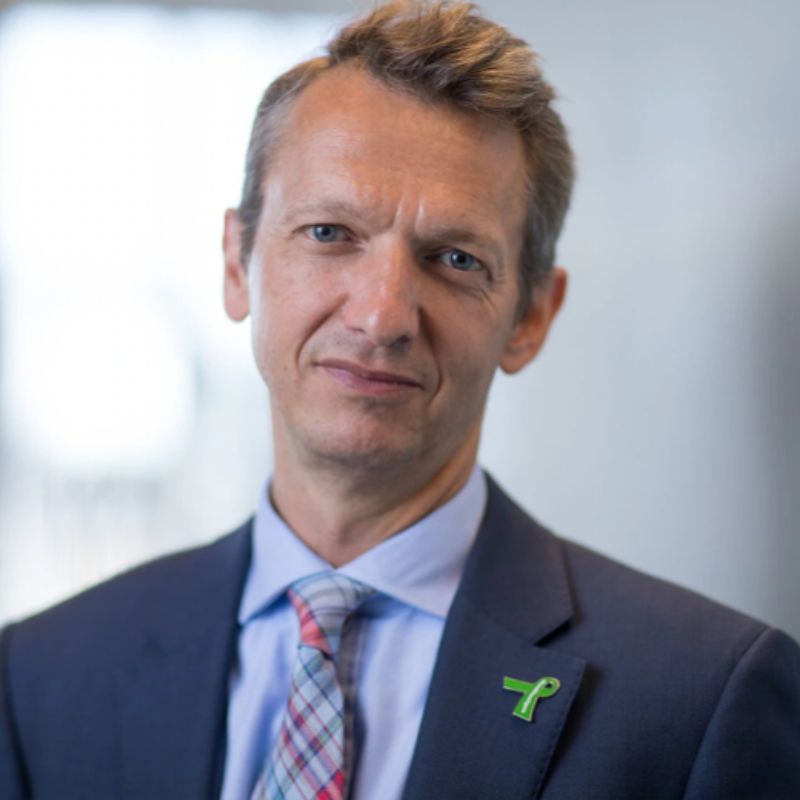
The opening keynote will set the scene for the day at a macro level, exploring the challenges and opportunities facing employers and offering speculative reflections on what a genuinely people-centred approach to growth could look like – at both national and business levels. Moving beyond the rhetoric that people are an organisation’s greatest asset, Andy will challenge us to consider what businesses could do differently if workforce health and wellbeing were treated not as something alongside growth, but as fundamental to it.
Keynote panel – You’ve Heard the Diagnosis. Now Let’s Focus on the Response
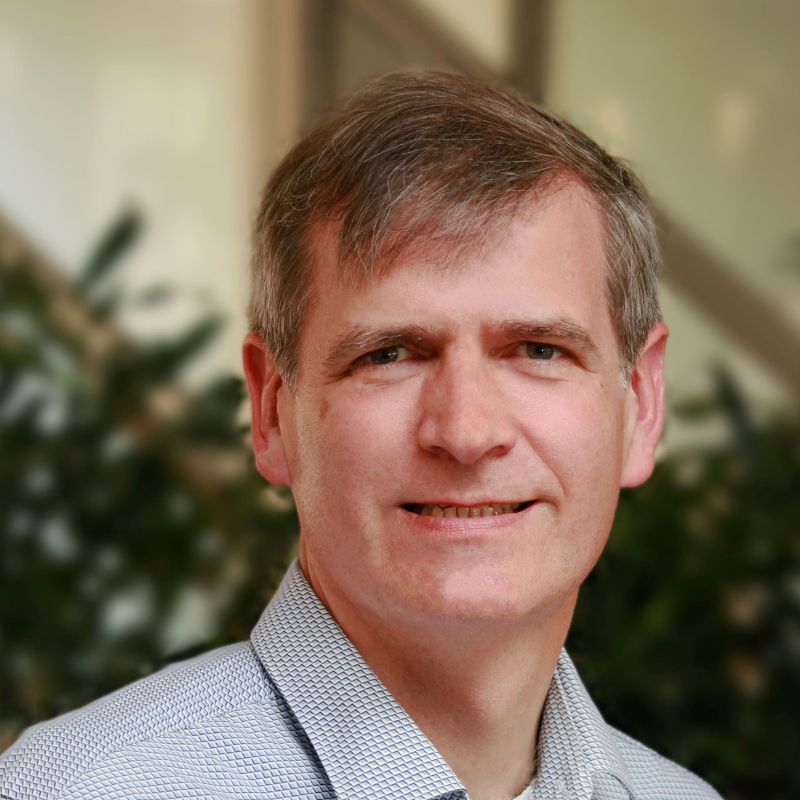
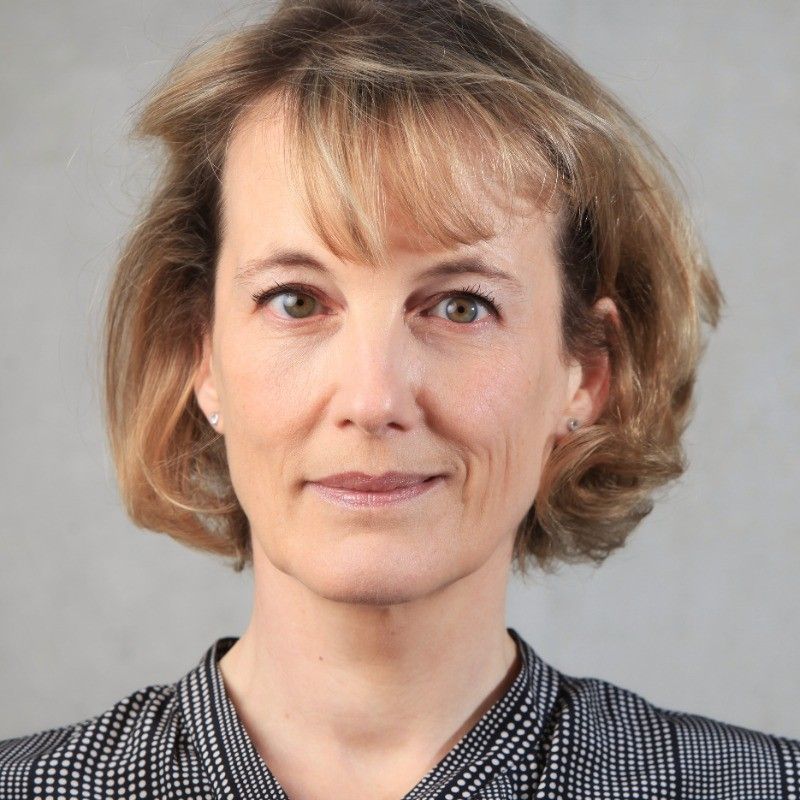
Following Andy Haldane’s keynote, Professor Dame Carol Black GBE will lead a debate about what needs to change if we are serious about improving workforce health, participation and productivity. Rather than asking employers simply to do more, the panel will explore whether we need to rethink how responsibility for workforce health is shared, how prevention is funded and valued, and how this relates to the Keep Britain Working Review’s Healthy Working Lifecycle, the proposed Workplace Health System and the Milburn Review of young people and work. The discussion will also consider how AI is reshaping work and what this means in practical terms for sustainable workforce health, performance and risk.
Coffee & networking
From Siloed Initiatives to Systemic Impact – How leading employers are building joined-up strategies that deliver real impact
Case study 1: Measuring what Matters: Work Wellbeing as Part of Leadership
How do you ensure employee health and wellbeing don’t depend on individual managers, but become part of how leadership itself is measured? This case study illustrates how a major employer has embedded workforce health into core business processes through leadership development and measurable outcomes. The result is an approach that moves beyond good intentions to make workforce health an integral part of everyday management and organisational performance.

Case study 2: From Reactive Wellbeing to Proactive Risk Management: Embedding Health into the DNA of the Organisation
Where should responsibility for workforce health sit if organisations are to achieve lasting impact? In this case study, we’ll hear why WPP has embedded workforce health within enterprise risk management, making it a strategic business priority that now features in the company’s annual report. Discover how the Chief HR, Risk and Marketing Officers collaborate to create a systemic approach built around shared “we, me and us” responsibility – bringing together leadership, culture, benefits and governance to move from reactive wellbeing initiatives to proactive prevention.


Working lunch
Working lunch – an opportunity to network and join peer-curated discussions around the topics that matter most to you and your team, including:
Integrating HR, Benefits, Employee Experience, Wellbeing and Occupational Health to drive impact

Linking health and wellbeing with sustainable high performance across the organisation

Stress & psychosocial risk: Understanding the HSE’s direction of travel

How do we help managers lead with compassion, create psychological safety and protect their own wellbeing?
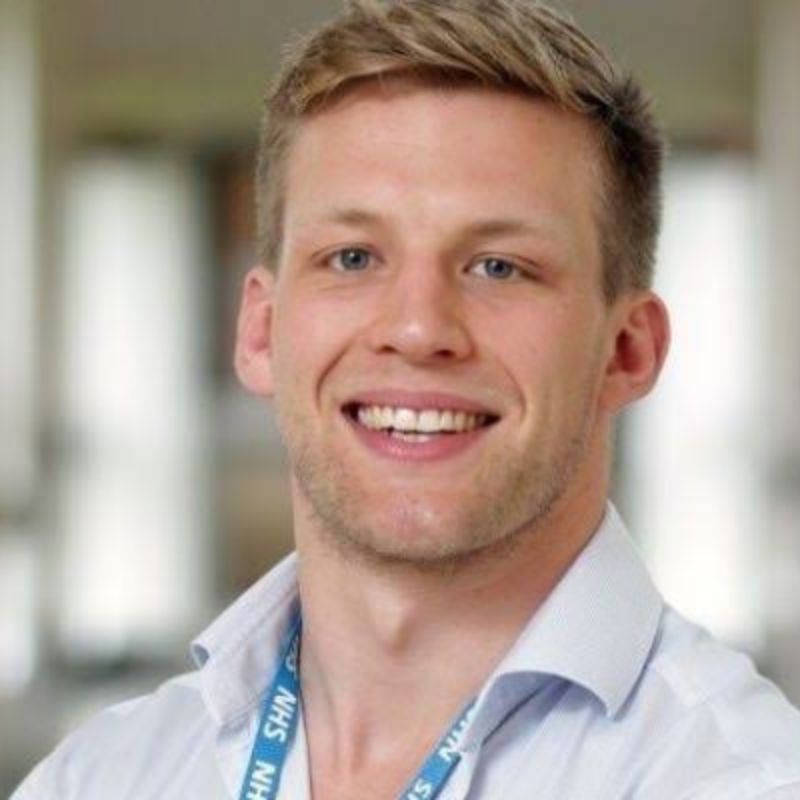
Tackling the NEET challenge: the role of employers supporting young people into work
Measuring what matters: Delivering data-driven workplace health and wellbeing
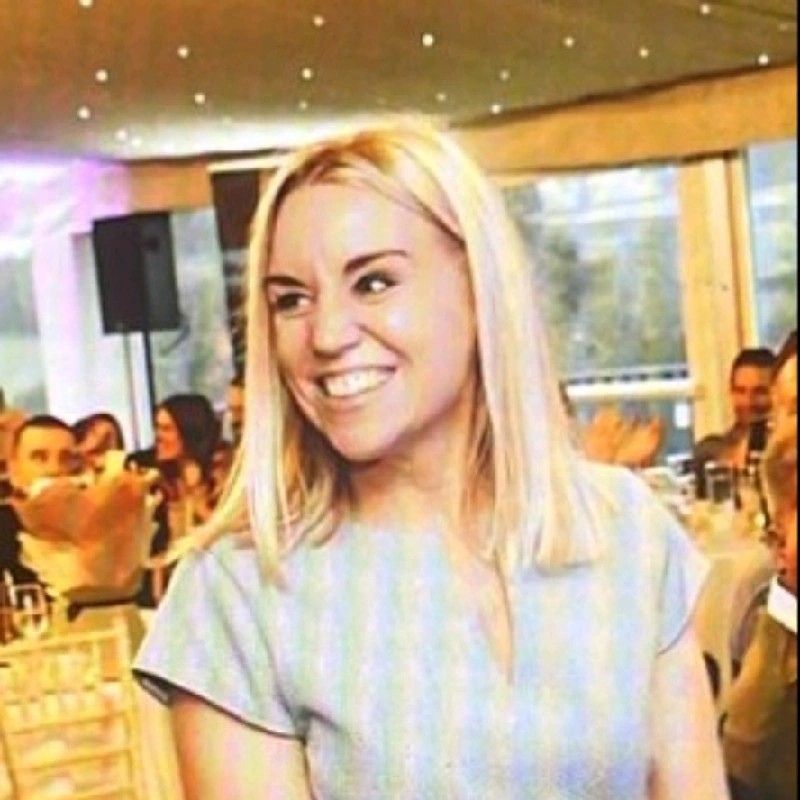
Best practice in global employee health and wellbeing

Inclusive and equitable employee health and wellbeing: what does good look like?
What’s next for financial wellbeing?

Prevention in action: a holistic, biopsychosocial approach
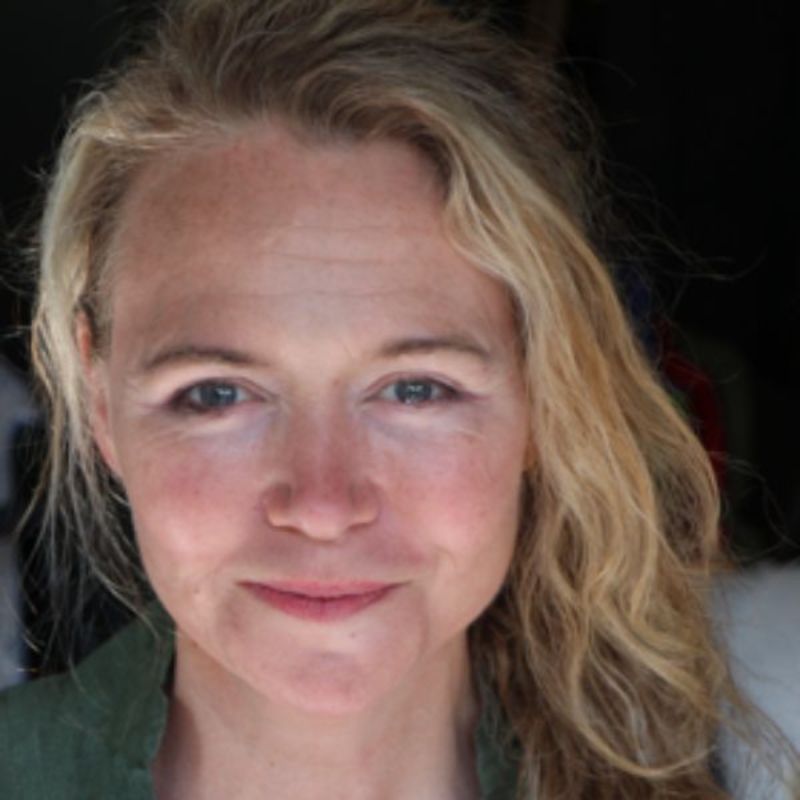
Absence management and return to work
Navigating neurodiversity

Supporting shift and frontline workers
Women’s health: beyond the menopause mandate
Champions networks: maintaining the momentum

Other confirmed facilitators

Have another burning topic you’d like to discuss? Let us know and we’ll connect you with the right peers through our real-time “Challenge Exchange”.
Practical workshops
Choose one of four practical workshops designed to help you apply the morning’s strategic insights within your own organisation:
From Passion to Business Case: What it Takes to Make Wellbeing Stick
Most workplace wellbeing starts with someone who cares. That’s how it gets off the ground – and it’s also why it can stall. Faced with rising costs and competing priorities, passion can open the door with leaders, but it won’t keep you in the room. The answer isn’t to prove that wellbeing matters. It’s to show how wellbeing helps the business achieve what it already cares about. That means building a business case around the outcomes that matter to the organisation and having the evidence to demonstrate the difference it makes. In this session, Matt Wilson, UK Wellbeing Lead at Computacenter, shares what changed when he moved from running activities to building a case grounded in evidence, and what he’s learned from applying it in practice. Elliot Foster, Head of Wellbeing Strategy at SuperWellness, will then explore what’s needed to build a compelling business case and practical steps to get the data behind you.


Leading Healthy Work: Building Cultures Where People Thrive
Leadership has a profound influence on whether workplace culture enables people to thrive. But creating healthier organisations requires more than committed individuals – it needs alignment from the boardroom to the frontline. This workshop will explore practical ways to develop healthier leadership behaviours, embed psychological safety within teams, and use organisational data to identify structural barriers and inform better job design. We’ll also hear from a leader that has successfully encouraged others to lead by example by prioritising their own health and wellbeing, helping to create a culture where healthier behaviours are modelled and sustained.

From Maze to Map: Designing a Joined-up Pathway Through Existing Mental Health Support
Many employers have invested heavily in mental health support. But as provision has grown, so has the maze employees must navigate. When someone needs help, they may face an EAP, private medical insurance, occupational health, digital tools and NHS services, with little guidance on which route is right for them.
Employers, meanwhile, often lack visibility of whether people find the right help, stay engaged or make progress.
This workshop explores how to turn disconnected services into a single care pathway embedded across the provision you already have. We’ll look at how to help your people find the right help, stay with it and see real progress, while giving you the ability to measure what matters against your own definition of success.
Led by John Tench, who draws on his experience designing large-scale health systems including leading the delivery of NHS England’s Covid-19 Vaccination Deployment Programme, the session applies that same systems-design thinking to workplace mental health provision.
What participants will take away:
- A model for mapping wellbeing provision around the employee journey
- A clearer view of gaps, duplication and disconnected handovers
- Ten principles for creating a joined-up pathway
- A practical priority to take back into their organisation


Beyond benefits: breaking down silos to minimise risk and build a more resilient organisation
Most organisations manage employee benefits, wellbeing, occupational health, and general insurance as separate disciplines with different stakeholders, budgets, and objectives. However, these silos can obscure the true drivers of organisational risk, ignore the people impact and prevent businesses from realising the full value of their insurance investment.
This interactive one-hour workshop will help attendees understand how employee health, wellbeing, engagement, and organisational culture directly influence wider business risks and overall organisational resilience. Through practical examples and facilitated discussion, we’ll look at employee benefits through a risk lens to seek to breakdown the silos and illustrate the connectivity between key insurable perils and risks. Participants will explore how a more integrated approach to people risk and traditional insurance can:
- Improve workforce health and productivity.
- Strengthen risk management and business resilience.
- Generate better data-driven decision making.
- Enhance employee experience while delivering measurable financial outcomes.
- Position HR as a strategic contributor to enterprise risk management.


Fireside chat: Toxic leadership turnaround
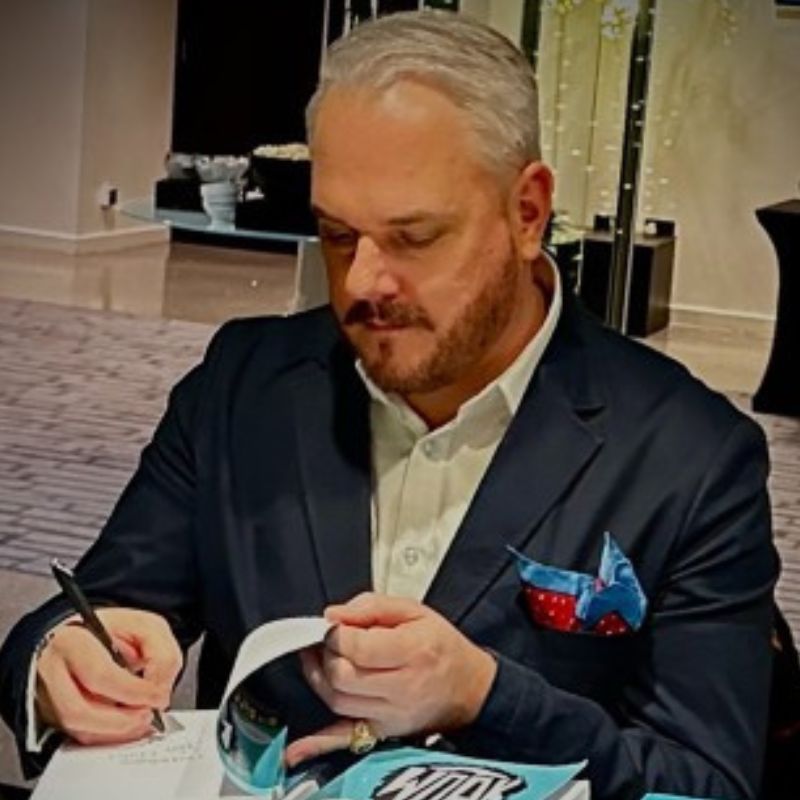
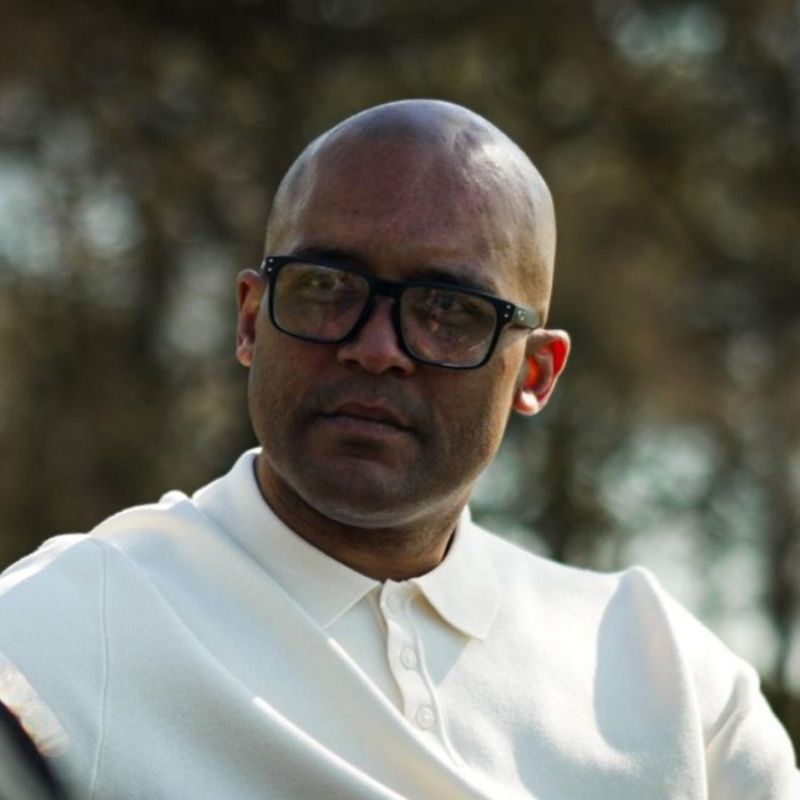
Having studied the human condition for more than three decades – from the boardroom to the interview room, and now the therapy room – Kathleen Saxton has witnessed one of the defining cultural challenges facing organisations today: toxic leadership. In this fireside chat, Kathleen will share the practical shifts leaders need to move beyond toxic leadership and build healthier, higher-performing workplace cultures.
Closing keynote discussion – Priorities moving forward
The culmination of the day, this strategic synthesis session will turn discussion into collective direction. Rather than simply reflecting on the day’s conversations, it will help attendees identify the priorities that will make the greatest difference within their own organisations over the next 12 months – helping them turn this moment of change into the positive turning point workplace culture, employee health and wellbeing needs. It will serve as a reminder that progress comes not from doing more, but from having the clarity and courage to focus on what matters most.
Coffee & networking
End
*The agenda may be subject to change
Interested in joining us?
Register your interest in attending the Make a Difference Leaders Annual General Meeting & Leadership Forum at the British Library on 19 October and we’ll send you the link to register.