
Shift and night workers are the hidden backbone of many organisations – yet their unique challenges are too often overlooked. Sleep disruption alone is estimated to cost the UK economy £50bn every year through lost productivity, staff turnover and accidents. For the 8.7 million people working at night, the impact on health, relationships and overall wellbeing is significant.
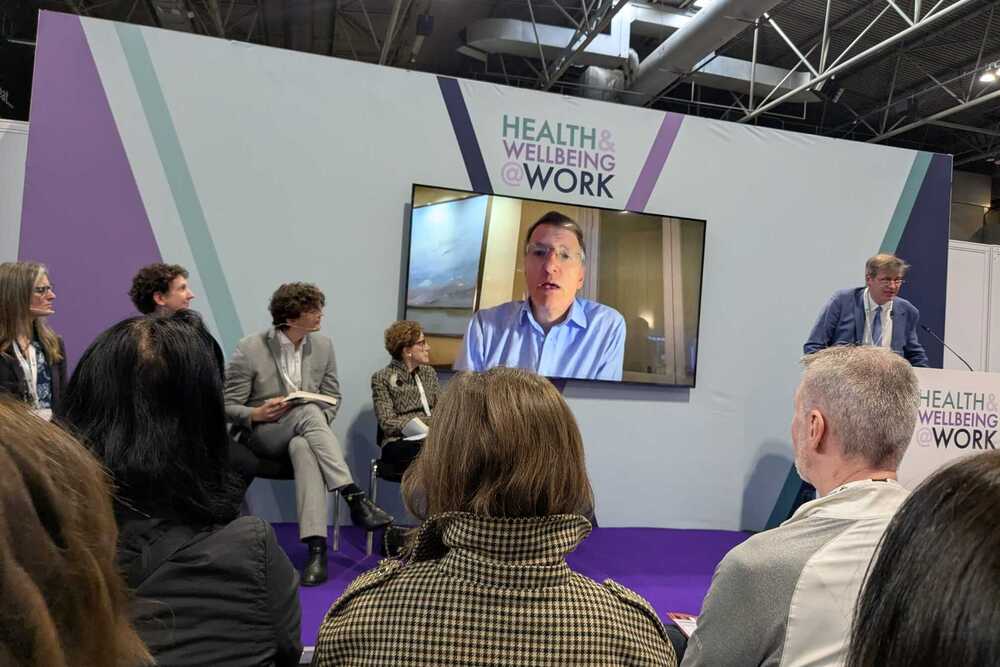
A recent Make A Difference webinar, in partnership with Night Club, explored why supporting night workers is not just a moral imperative but a clear commercial opportunity.
Questions from the audience came in thick and fast. Here, Ella Reynolds from Night Club responds to some of them, giving a flavour of the session.
You can also view the webinar on demand here.
Q: What is Night Club ?
Night Club is an award-winning initiative designed to help businesses reduce the risks of night work and support shift workers in improving their sleep, health, engagement and performance.
From live, in-person training delivered at night to leadership support that embeds a culture of wellbeing, Night Club’s interactive approach delivers proven results.
Trusted by over 40 major organisations, including Transport for London, Sysco, Carlsberg Britvic and ISS, it has already helped more than 13,000 night workers stay healthy, safe and engaged.
Q: What do the panel think constitutes a Night Shift? Our business has many people that start at 2 / 2.30am? Does the science suggest these people are at risk too?
Yes, starting at 2am absolutely constitutes a night shift. Legally, night work is considered to take place between 11pm and 6am, and you’re considered a night worker if you regularly work at least 3 hours during night time. Today, in the UK, more than 8.7 million people are estimated to work at night. That’s a staggering 27% of the entire UK workforce – often described as “The Forgotten Shift”.
At Night Club we also work with an expanded definition of anyone whose job significantly disrupts their sleep, for example someone with an ‘owl’ chronotype (biologically preferring to go to bed later and wake later) who needs to start work in the early hours of the morning or someone who finishes work at midnight but has a 2 hour commute home to rest. These people can also greatly benefit from health education to improve their sleep and wellbeing.
Sleep deprivation has well-proven consequences for your body (higher prevalence of diabetes, lower immunity), your mind (impaired concentration, memory and creativity) and your mood and relationships (higher anxiety, depression, impulsive behaviour and divorce). At work, tired staff are less productive and accident rates are higher at night – sleep deprivation is estimated to cost the UK economy £50bn per year.
Q: Occupational health nurse in construction here – does night club have any takeaways for construction
Night workers in construction face many of the same challenges as other shift workers and can benefit greatly from targeted support.
Practical steps include improving diet (for example, eating small, protein-rich meals during shifts), managing light exposure to support alertness and rest, and prioritising sleep.
This is particularly important given that construction workers experience higher rates of mental health challenges and suicide than the general population. Improving sleep can play a key role in supporting mental health, mood and relationships.
Q: That taboo element of being ‘tired’, ‘exhausted’, ‘burned out’ is a real thing where I work, which is a heavily male dominated environment. It’s almost frowned on. Our operational workers are, unofficially, encouraged to work on past their shifts. I think it’s a real issue.
It’s crucial to break the stigma around discussing fatigue in the workplace. Sleepiness or fatigue is often perceived as a personal weakness not to be discussed with management. With this attitude, chances to help staff and manage risks are missed.
“How did you sleep?” is a good opening question to engage your team and validate experiences of occasional struggles with shift work. Many companies in safety critical sectors have fatigue policies in place which actively encourage staff to disclose if they feel too tired to perform their function safely without penalty. When investigating accidents or near misses seek to avoid a culture of blame and encourage candid disclosure – this fits with a wider focus on ‘human factors’ in health and safety policy.
Management (particularly senior leaders) being present occasionally at night allows direct engagement with staff and shows recognition of their work and challenges. Every interaction is a chance to role model openness and compassion.
Q: Do you have any advice on creating a rest area to help night workers relax and keep motivated, etc?
At night, canteens and break rooms can feel less inviting, particularly if food options are limited or unavailable. To support night workers, employers should create shared spaces that feel safe, welcoming and energising. This means:
- good lighting – illuminating the working environment with sufficiently bright light during night shifts to help mitigate tiredness and loss of vigilance
- Access to hot and healthy food in vending machines and where available, canteens
- Clean facilities and comfortable seating
Adding small touches like a stocked drinks station (with decaffeinated options), a noticeboard specific to night staff or even a games corner can boost morale.
If you would like to get more answers to your questions about supporting nighttime workers, you can join our virtual roundtable on this topic. To find out more, contact me at claire@makeadifference.media.
You might also like: