
With a growing number of skilled workers aged over 50 remaining under-utilised or becoming economically inactive, now is the time to rethink how organisations engage, retain and re-energise this cohort.
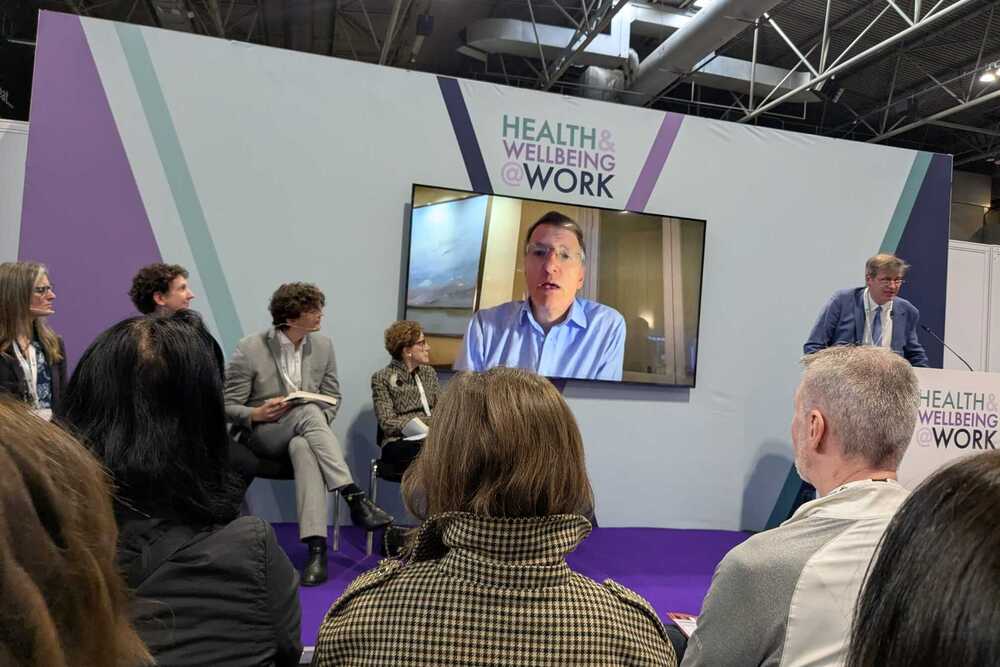
That was the central theme of the recent Make A Difference Leaders’ Roundtable, “Jaded and Underserved? Rethinking Retention for Over-50 Employees.” The session took place at the Leaders’ Summit at MAD World and was chaired by Nimisha Overton, EMEA Diversity, Equity and Inclusion Lead at Canon.
To put the discussion in context:
- Around 10.9 million people aged 50+ are currently employed – about one-third of the UK workforce.*
- 43% of the overall rise in economic inactivity among working-age adults between 2019 and 2022 was driven by people aged 50–69.**
- Among adults aged 50–54, 19% left work due to stress and 17% because they “did not feel supported in their job.”**
Participants discussed the limitations of traditional retirement models, generational perceptions of work, the lack of confidence or opportunity among older workers, and the need for multi-generational collaboration. There was a shared consensus that organisational strategies, leadership attitudes, and data usage must evolve to be inclusive of aging workers – not just to retain them, but to leverage their unique value and experience.
Longevity, learning and rethinking retirement
The group discussed how retirement is increasingly being reframed as a “second wind” rather than a fixed endpoint. With longer, non-linear careers becoming the norm, continuous learning and flexibility are vital. “Every day should be a school day” voiced one participant. Denmark was cited as a positive model, with flexible working and reskilling policies for older workers.
Tackling age bias and cultural norms
Age stereotypes – often unconscious – continue to influence decisions about hiring, promotion, and development. Yet attitudes to age and work differ globally, with examples from countries like Japan and Denmark showing that more inclusive approaches are possible. A lack of demographic data in some organisations also hinders informed decision-making and makes it hard to design targeted, evidence-based strategies.
Collaboration across generations
The conversation highlighted the power of multi-generational collaboration – including the concept of multi-generational boards. Gen Z’s fresh expectations about work, purpose and portfolio careers, can combine with the experience of older colleagues to create stronger, more innovative and inclusive teams. “Great things happen when you put different generations together,” one participant noted.
Leadership and organisational strategy
Retention of older workers shouldn’t be seen as a niche HR issue – it’s a leadership and business imperative. Participants emphasised the need to include age inclusivity in succession planning and leadership agendas. While senior leaders often receive most of the training, others are left to self-learn; this imbalance can undermine efforts to build a more inclusive culture.
Data, mindset and action
To make meaningful progress, organisations need better data on demographics, engagement, and performance. This enables them to understand the workforce’s needs and align retention strategies with business objectives – using data to track impact.
But equally important is a mindset shift: moving from “solving a problem” to “maximising potential.” That means fostering curiosity, trust, and purpose – and dismantling the labels or self-limiting beliefs that prevent older employees from contributing fully.
Suggested solutions
- Ask employees directly what they need and want.
- Break down labels, stereotypes and limiting beliefs that prevent older workers from contributing fully
- Create multi-generational initiatives such as boards or focus groups.
- Capture and use data to inform strategy.
- Invest in flexible work and learning options, particularly for the over-50 workforce.
- Look to the examples led by other countries such as Denmark and Japan
- Embed retention of older workers into leadership agendas and business strategies.
- Encourage dialogue between generations to build empathy and innovation.
Ultimately, retaining over-50 employees isn’t just about keeping people longer – it’s about creating workplaces where all generations can learn from each other and thrive.
References:
*https://restless.co.uk/press/uk-employment-levels-amongst-the-over-50s-at-an-all-time-highand-growing-faster-than-all-other-age-groups/?utm_source=chatgpt.com
You might also like: