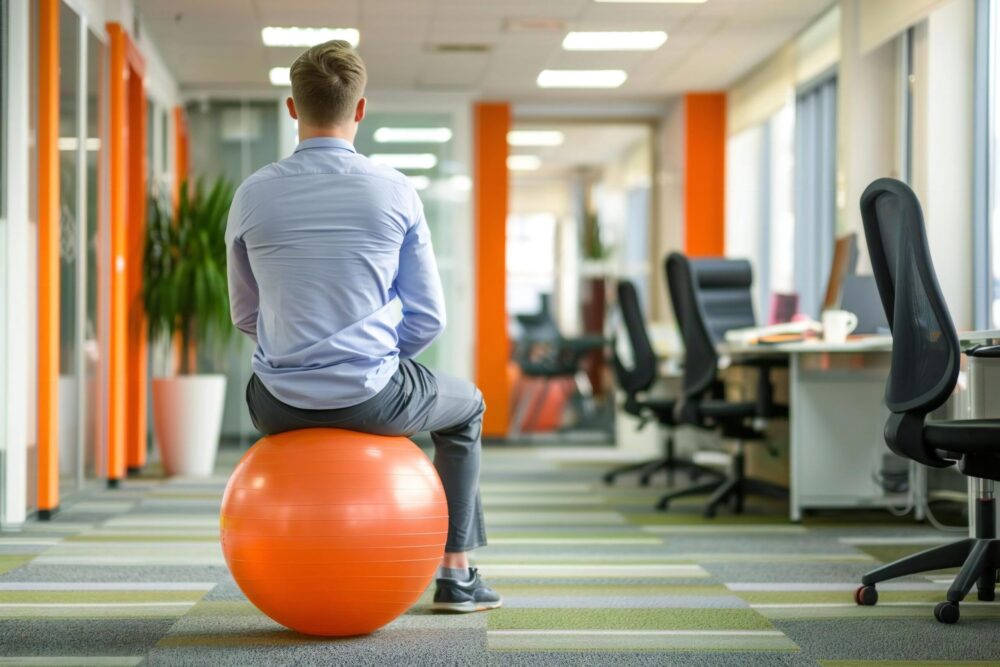
Fitness benefits are one of the most visible and valued perks for employees, but to make a real impact, they need to be flexible, accessible, and inclusive. With a few smart adjustments, HR teams can turn modest investments into measurable gains for both people and business.
Employee fitness: a smart investment, not an expense
Employee fitness incentives are more than an added perk; they’re a proven strategy for improving performance. Research shows that 41% of employees report improved productivity when they’re more active, and regular exercise has been shown to boost productivity levels by as much as 30%. Physical activity also helps employees manage stress 46% more effectively and reduces the risk of depression by 30%.1
With the average employee losing 6.1 days per year to formal absenteeism and a further 43.6 days to presenteeism, a 30% productivity boost can equate to 13 extra productive days per year, thus saving around £1,256 per employee annually.2
Turning fitness into business results
Regular physical activity helps improve cognitive function, enhance memory, and boost creativity and problem-solving abilities. Employees who move more also enjoy higher energy levels, better sleep, and improved focus throughout the day.
Five high-impact results of promoting fitness at work
- Increased productivity: Active employees can be 30% more productive, gaining an extra 2.4 hours’ worth of output in a typical 8-hour day.1 Regular movement helps sharpen focus, improve decision-making, and sustain energy throughout the workday. Over time, this translates into fewer mistakes, faster project turnaround, and a measurable lift in overall performance.
- Reduced stress: Employees who exercise manage stress 46% better.3 This is because physical activity reduces cortisol levels, which can improve mood and emotional stability. Supporting exercise during or around work helps staff return to their tasks calmer, clearer and better able to cope with high-pressure situations.
- Improved mental health: Regular physical activity lowers the risk of depression and anxiety by 30%.1 Movement releases endorphins and supports better sleep, both of which help employees feel more resilient and positive.
- Enhanced physical health: Exercise reduces the risk of heart disease, stroke, and obesity. It also supports better immunity and faster recovery from illness, meaning fewer sick days and lower healthcare costs. For employers, this creates a healthier workforce with greater attendance and lower long-term health risks.
- Strengthened culture: Offering fitness benefits signals that wellbeing matters, both inside and outside of work. It shows employees that their employer values them as whole people, not just as workers. This can increase employee loyalty and retention, support talent acquisition, and build a positive employer brand rooted in genuine care.
Removing barriers: practical tips for HR
Despite the clear benefits of regular exercise, many employees still hesitate to be active. HR teams can play a critical role in breaking down key obstacles by offering flexible access to multiple gyms and virtual classes, helping staff fit activity into their schedules wherever they are. Making fitness affordable through discounted memberships can also appeal to even the most reluctant employees, showing that wellbeing is a genuine organisational priority rather than a perk for a few.
Many organisations also create a sense of community through wellness challenges and team-based activities, boosting motivation and accountability across the workforce. These small, practical steps make it easier for employees to choose movement.
Fitness benefits only work if employees actually use them. That’s why HR should focus on four key factors when designing their programmes.
- Location: make options convenient so people can easily access them before, during or after work.
- Cost: keep it affordable to remove one of the biggest barriers to exercise.
- Variety: offer a mix of options to appeal to different interests and fitness levels.
- Flexibility: allow access across locations and schedules so employees can fit fitness into their own routines.
Together, these elements create a benefits offer that feels personal, practical and genuinely supportive.
Tailoring fitness benefits to your workforce
A one-size-fits-all approach to fitness benefits rarely delivers the engagement employers are looking for. Different groups within your workforce have different needs, preferences and schedules, so the key is to segment your communications and design programmes that feel relevant to each audience.
- Office-based staff: Employees who spend most of their day at a desk are at risk of experiencing issues like poor posture, tight hips and low energy. They benefit from programmes that target sedentary behaviour, such as mobility sessions, stretching breaks, lunchtime walking groups or discounted access to nearby gyms.
- Manual workers: Employees in physical roles already move a lot, but they’re also at greater risk of repetitive strain injuries or fatigue. Strengthening and conditioning programmes designed to protect joints, improve posture and build resilience can help prevent injuries.
- Executives: Leaders and senior managers are often time-poor but under high levels of stress. Short, high-intensity training options can fit seamlessly into their busy schedules. These benefits not only support their physical and mental health, but also demonstrate that wellbeing is valued at every level of the organisation.
- Hybrid/Remote workers: Employees who work from home can sometimes feel isolated and disconnected from team culture. They appreciate virtual fitness classes or company-wide challenges that bring people together online. This supports both their physical health and their sense of belonging to the organisation.
The bottom line
Small, low-cost changes can have a significant impact. By reducing barriers, tailoring benefits, and leading with visible support, HR teams can embed fitness into everyday culture, thereby boosting productivity, lowering absence, and creating healthier, happier workplaces.
References:
- Mind: https://www.mind.org.uk/media/7594/mind-mental-and-physical-activity-toolkit-guide-2.pdf
- Vitality: https://healthcareandprotection.com/poor-employee-health-costs-uk-economy-138bn-in-lost-productivity-vitality/
- Gitnux Market Data: https://gitnux.org/exercise-and-work-productivity-statistics/
About the author:

As Hussle’s Head of Sales, Daisy James supports the ongoing growth of EGYM Hussle within the UK employee benefit space. She has an extensive background in corporate partnerships and business development and is incredibly passionate about helping employers to support their people through physical wellbeing initiatives. Outside of her day job, you can find her on long walks with her dog or at the gym!
You might also like: