
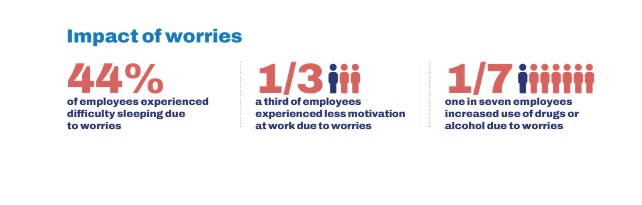
Research released at this year’s MAD World Summit reveals that stress and anxiety linked to worries, caused two fifths of employees to have trouble sleeping. The impacts on work included trouble concentrating (33%) and reduced motivation (32%). One in seven employees considered giving up their job.
Commissioned by the employee wellbeing consultancy, PAM Group for the Health at Work Report, the research also highlights the impact of rising stress, financial pressures and workplace demands on employees.
Although more than one in two employees now say that working for their employer helps them to maintain good health, one in four say working for their employer undermined their health or made them sick.
Proactive support reduces absence and boosts productivity
Fortunately, this year’s Health at Work report also highlights that despite rising pressures, employers have the power to make a real difference to workforce wellbeing.
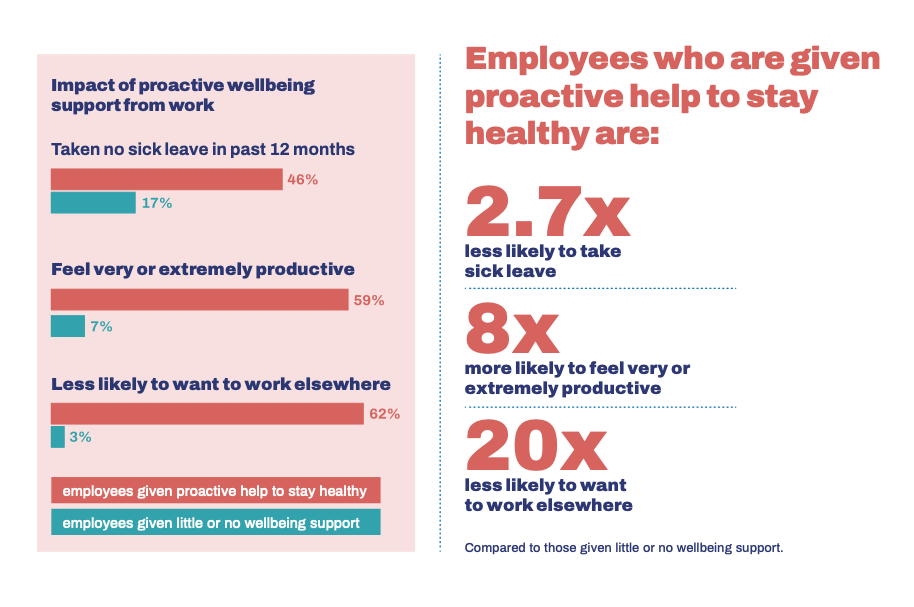
David Umpleby, managing director, PAM Wellness, says, “One of the standout findings from this year’s Health at Work report is that as well as making employees more than twice as likely to take no sick leave, proactive wellbeing support makes employees eight times more likely say they are very or extremely productive and twenty times less likely to want to work elsewhere.”
David adds, “it’s evident that people are continuing to struggle, with employees experiencing significantly more stress, anxiety and financial worries than when we last ran the report four years ago. It’s unsurprising that more than one in two people want access to mental health counselling, making this the second most valued wellbeing tool after flexible working. However, it’s deeply concerning that just 22% of people have access to this and just 11% were able to utilise this in the past year.”

AI now most utilised wellbeing tool
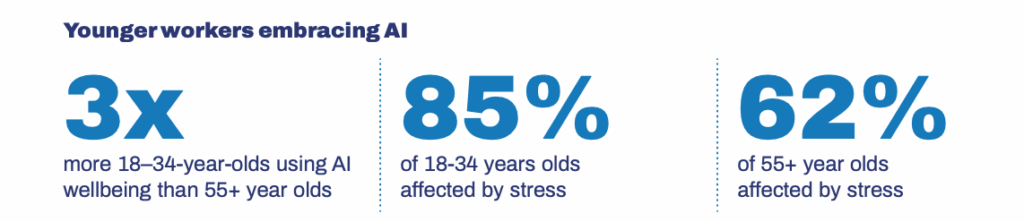
The Health at Work report reveals that AI tools have now become the most utilised form of wellbeing support. However, this is being largely driven by younger employees. 18–34-year-olds are now three times more likely to use AI wellbeing tools than employees aged over fifty-five, who are more likely to utilise mental health counselling, Employee Assistance Programmes (EAPs) and private GPs.
“Given that younger workers are significantly more likely to be struggling with feelings of stress, anxiety and overwhelm, then older workers, it’s important for employers to be aware that these tools have yet to replace more traditional talking therapies in delivering tangible wellbeing outcomes,” says David.
There are also numerous risks associated with AI tools, including the way these tools mirror the user’s language and thinking to foster emotional dependency, to the absence of safeguards or questioning of assumptions when employees are making ‘high-stakes’ personal decisions. “Psychiatrists recommend that AI tools complement, rather than replace mental health professionals, so employers need to be aware of the risks and ensure employees still have access to professional mental health support,” adds David.
Five key recommendations for employers
As well as highlighting the top wellbeing challenges faced, the report also outlines five key strategies for employers to tackle sickness absence and maintaining productivity:
- Understand the Barriers – Identify the challenges driving sickness for different employees
- Take a Proactive Approach – Early support helps keep employees healthy and reduces sick leave
- Foster a Wellbeing Culture – Supportive managers and open conversations cut absenteeism
- Ensure AI Tools Are Effective – Assess the impact of AI tools versus traditional therapies
- Prioritise Mental Health – Timely support can prevent stress and reduce absenteeism.
For the full findings and actionable recommendations, download the full Health at Work Report 2025.
About the author:
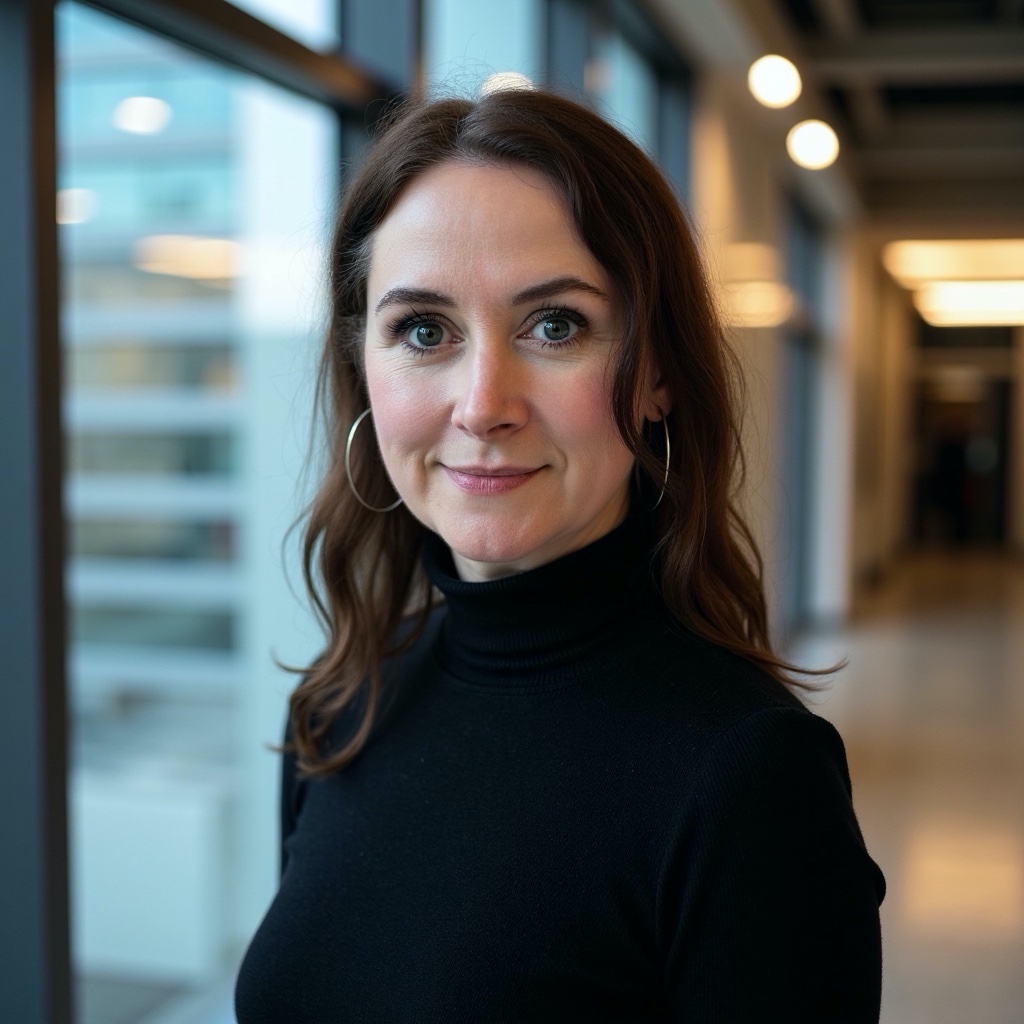
Kathryn Jellis is a corporate journalist, specialising in workplace issues. She has written award-winning research reports that have helped shift employer attitudes on topics including mental health and flexible working. Her latest campaign, highlighting the value of proactive occupational health in preventing sickness absence, was presented at Westminster. In 2006, she founded Benicate, a workplace PR and media relations agency, to support employers committed to making the workplace a better place to work and thrive.