
To mark Parental Mental Health Day (30th January) we wrote about the unprecedented level of stress that today’s working parents are under here, and how support from employers must go beyond policy here.
However, at Make A Difference Media we strive to flag up and celebrate best practice wherever we can, particularly among members of our Leaders’ Club (to find out more about joining our Leaders’ Club, see here).
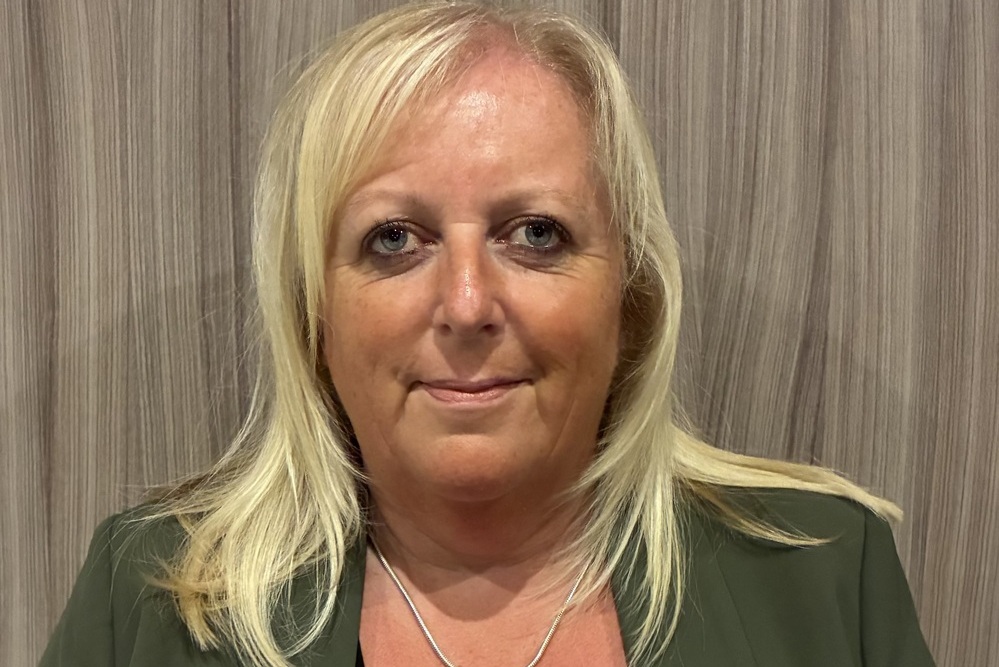
During the course of our research, we spoke to Leaders’ Club member Claire Burns, People Director at fabric manufacturer Abraham Moon & Sons (pictured), who told us about how she recently dealt with a mother returning to work from maternity leave.
This was in line with the best practice advice that the experts gave in these features.
Here’s what happened, in Claire’s words...
“When someone returns from maternity leave, line managers can understandably feel nervous about saying the wrong thing. In this case, the employee’s manager felt he needed to agree to everything she asked for. Working in HR, I encouraged a gentler pace — ‘let’s just see what happens.’
She soon submitted a flexible working request that proposed reducing her hours significantly. Our first reaction was that the role simply couldn’t be delivered in 18 hours. But rather than reject it, we invited her in for a conversation.
I opened by sharing both our enthusiasm for her return and the practical limits of the role: ‘We really want you back — we’ve missed you — but we feel your current role can’t be done in 18 hours.’ Together, we went through her job description and explored what she would and wouldn’t be able to do. We discussed her strengths, what she enjoyed, and what a sustainable arrangement could look like for the longer term.
Strengths-based approach
From there, we flipped the script. Instead of pushing her into an existing vacancy, we asked: where are the gaps in the business, and could her strengths fill them?
We designed a bespoke 18‑hour role that aligned with her skills. It wasn’t perfect — it required some upskilling — but it honoured her needs and she was overjoyed.
Given how important flexibility is to her, and how much we value it as a business, I explained that she could select her hours between Monday and Friday. We did emphasise a preference for a consistent weekly pattern, which we hoped would make childcare planning easier as well.
Developing returning part time employees
She’s due back in the business shortly and will gain experience across several departments. When she’s ready to return to a senior role, we know we’ll have a place for her — and in the meantime, we’re developing her capabilities even further.
Yes, this kind of solution can be challenging. It requires trust and a willingness to rethink how work is organised. But it’s absolutely possible. My advice to employers is to stay connected with people while they’re on leave. Keeping In Touch Days are crucial — they make conversations like these much easier.
Invite people on leave to social events, celebrations, training, or product briefings. It helps them feel included, not removed, when they return.
Small actions help
I often suggest that returners consider taking a few days off [accrued holidays] during those first weeks, simply to give themselves space to settle back into work routines at a manageable pace, get back into the rhythm of work while navigating the practicalities of family life.
Small things can help people settle back in. I sometimes open with a light comment to break the ice — such as acknowledging, with humour, the sheer amount one returner had on her plate by moving house the week before Christmas and planning her return to work after 12 months maternity leave. It helped create a comfortable space for an honest conversation.
Finally, we must remember returning fathers. Two weeks’ paternity leave is a big transition, and they deserve to be asked how they’re doing as well.”
Our thoughts on this case study
What Abraham Moon & Sons has done here, that shows good practice, is:
- Been creative in the way it structures and designs work
- Looks at the employee’s strengths, rather than shoehorning them into a role
- Takes action that will make a real, tangible difference to employees’ working lives rather than PR-led gestures like sending flowers or calling themselves ‘family friendly’ in marketing
- Creates psychological safety so constructive, honest conversations are possible
- Co-creates the solution with the employee, compromising and flexing where necessary
- Continues to invest in the returning employee who is returning part-time (rather than stigmatising or sidelining those that want to work less hours after having a child)
- Recognises that the employee still has the same skills and strengths to offer; recognises it as a life stage that doesn’t necessarily mean the employee is less ambitious
- Has empathy for the competing responsibilities and torn loyalties
- HR supports the line manager with conversations he is nervous about
- Didn’t stick rigidly to policy, but balanced policy with a human touch
You can hear more about Claire’s approach to business, and specifically how the employer tackles avoiding poor people managers damaging employee health and wellbeing and workplace culture on the latest MAD Leaders Podcast. It’s available below on Spotify, or where you find your podcasts