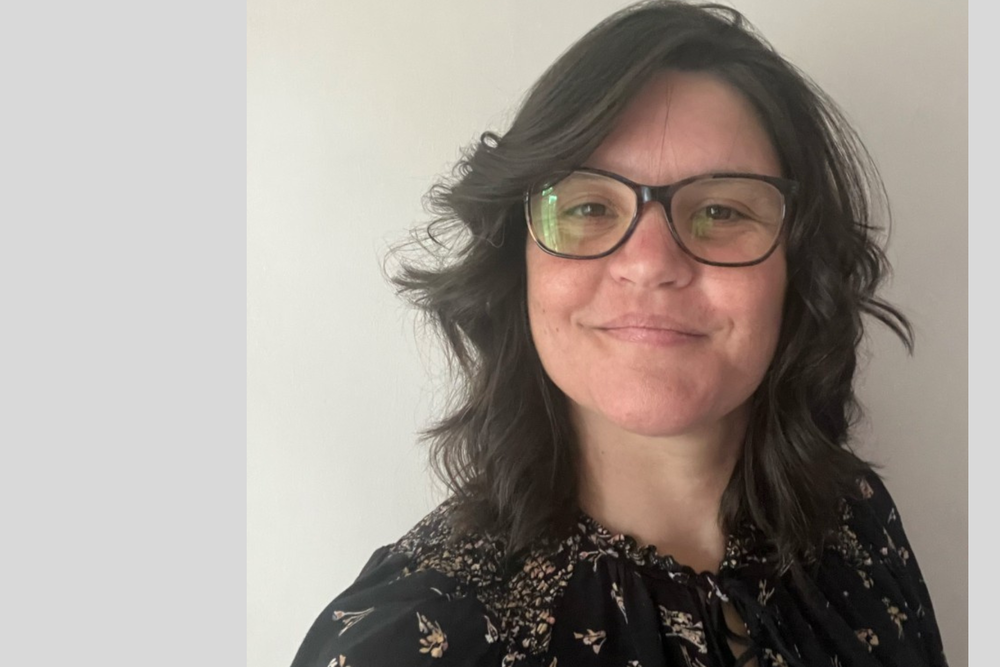
A year and a half after joining engineering and infrastructure firm AECOM, Associate Director Dr Emma Langman-Maher began experiencing sustained stress linked to her neurodivergent traits (ADHD and autism), which was tipping into burnout, affecting her confidence and ability to complete work.
Ahead of Neurodiversity Celebration Week (16th – 20th March), we spoke to Emma about AECOM’s proactive approach to neurodiversity, and how it led to minimising her burnout symptoms, reducing her sickness absence and improving her productivity and performance levels.
She reflects on what it is that AECOM did which enabled these positive outcomes.
To see more on AECOM’s neuroinclusivity strategy, see this feature here
In her own words…
“I was struggling in ways that can be typical for neurodivergent people — particularly, recognising my own needs and communicating them clearly. I’m not always immediately aware of my stress responses and over time the pressure built up. I became quite distressed.
Earlier in my time at AECOM, my manager had encouraged me to access Occupational Health and complete an Access to Work assessment. That meant adjustments had already been considered and there was a shared understanding of how I work best.
Because that foundation was in place, I knew that when the pressure intensified it should be relatively straightforward to access further support. The systems were there to enable performance, and using them was normal and expected.
Manager picked up on signs
As the strain increased, my manager recognised it before I did and encouraged me to speak with one of the company’s trained mental health first aiders. That encouragement mattered. It made taking the next step feel supported rather than exposing.
Many high-achieving neurodivergent people are affected by imposter syndrome at this point. It was really emphasised to me that these services are not only available, but that using them is encouraged. So, I did take them up: through the EAP, I accessed counselling support and through Occupational Health I had six sessions of ADHD coaching, which really helped.
I did take a short period of leave, but significantly less than would have been the case without this support. My return to work was gradual, with myself, my manager and HR working together as a team to reflect on my progress and the impact of the ‘nudge adjustments’ we tried. It was a shared learning process about myself as a unique individual in a specific context, not some generic approach to my diagnosis.
Reduction in sickness absence
Since putting appropriate changes in place, I haven’t had any sickness absence. Knowing that the company really does care about my wellbeing and my ability to give my best to clients has, in itself, had a significant effect.
For the first time in my career, I now have sustainable balance. Previously, I would work through weekends trying to ‘catch up’ against my own impossible standards, often at the expense of exercise or time with my family. Now I have clearer boundaries and systems that protect both my wellbeing and my effectiveness.
Tangible impact on performance
The impact on my performance has been tangible. The quality of my work has improved, client feedback has strengthened, and I’ve been invited to contribute thought leadership externally and operate at a more strategic level within AECOM. I’m able to do that because I’m no longer using most of my cognitive energy simply to cope – I can apply it to higher-level thinking and strategic contribution.
Overall, I’d say that it’s all very well to have policy in place, but it was through the actions of others in this situation that I made conclusions about what I observed to be true about culture. Culture is not created by what you read on a piece of paper, but by how you live that policy. In my case, I was able to go back to my colleagues within the ERG and say, ‘this is what happened’. That’s extremely important because culture includes the stories we tell each other, and it feels good to share a positive one.”
You might also like: