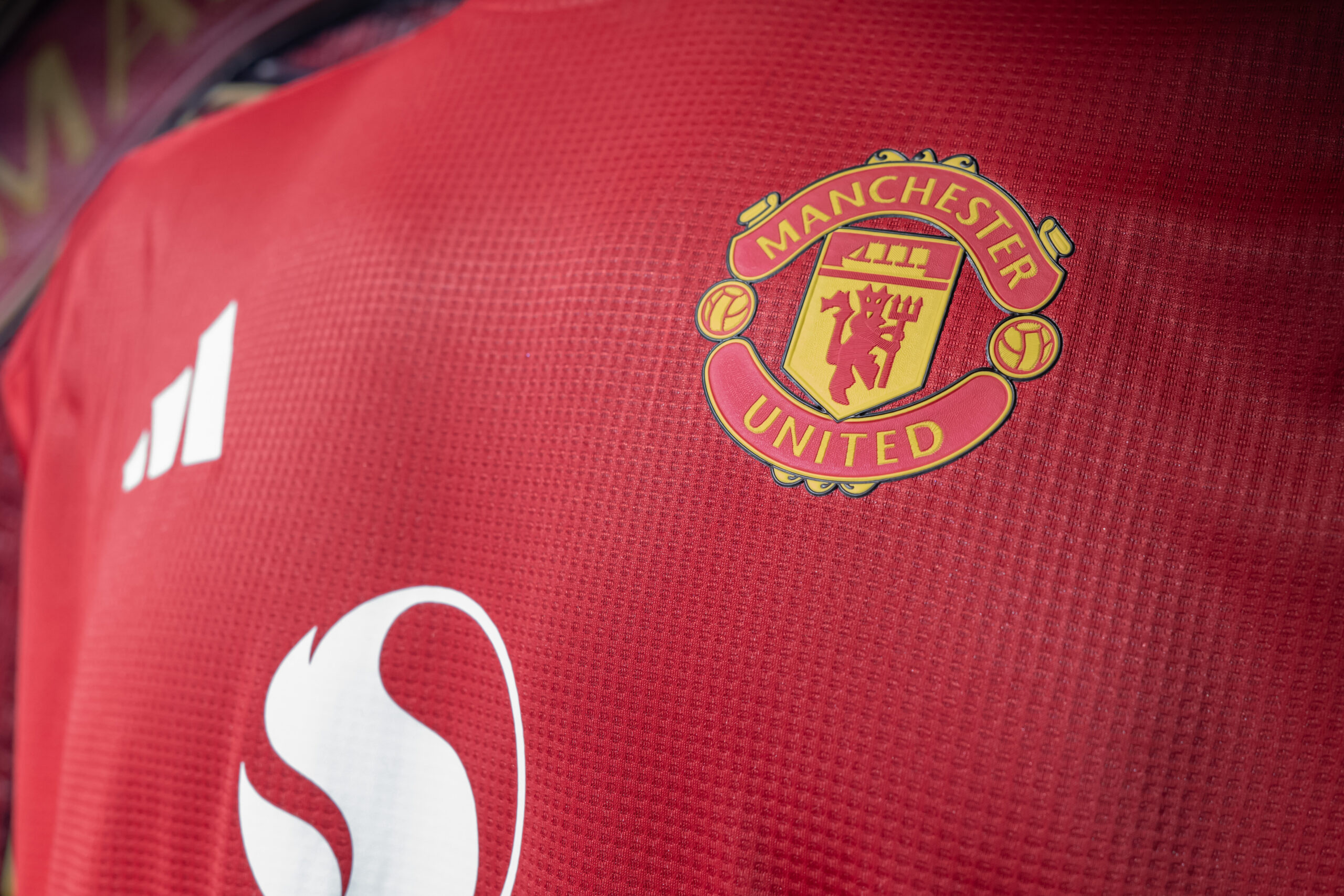
With football dominating conversations during the World Cup, a new partnership announced by Manchester United highlights a trend that extends far beyond sport: the growing recognition that performance depends as much on mindset, culture and behaviour as it does on talent.
The club has unveiled a multi-year collaboration with performance psychometrics specialist Mindflick, which will see its platform rolled out across Manchester United’s Men’s, Women’s and Academy teams, as well as leadership and support functions throughout the organisation.
While rooted in elite sport, the announcement touches on themes that are becoming increasingly relevant for employers across all sectors as they seek to build resilient, adaptable and high-performing workforces.
Manchester United adopts a whole-organisation approach to performance
Under the partnership, Manchester United will implement Mindflick’s performance psychometric platform to help individuals and teams better understand how they think, communicate, collaborate and respond under pressure.
The platform combines individual profiles, team insights and digital tools designed to build self-awareness and create a shared understanding of working styles and behaviours.
According to the club, the aim is to strengthen communication, improve collaboration and support performance development across all areas of the organisation.
Kirstin Furber, People Director at Manchester United, said: “At an elite club, performance is shaped by far more than talent alone. It depends on how people think, respond under pressure, communicate and stay aligned when expectations are at their highest.
“This collaboration is about building those qualities more deliberately across our people, from players and coaches to the wider staff and leadership around them.”
She added that the initiative reinforces the club’s commitment to developing talent while fostering a strong and inclusive culture.
What does this mean for workplace culture and employee wellbeing?
The announcement comes at a time when many employers are rethinking how they define performance.
Increasingly, organisations are recognising that sustainable success is influenced by factors such as leadership capability, psychological safety, communication, resilience and team dynamics. These themes sit at the heart of the modern workplace culture, employee health and wellbeing agenda.
Rather than viewing wellbeing and performance as separate conversations, leading organisations are beginning to see them as closely interconnected. Employees are more likely to thrive when they understand their strengths, feel able to communicate openly and have the support needed to adapt to change and pressure.
This reflects a broader shift away from reactive approaches towards creating the conditions that enable people to perform consistently over the long term.
Lessons employers can take from elite sport
Although few workplaces operate under the scrutiny faced by a Premier League football club, many face similar challenges.
Organisations across sectors are navigating economic uncertainty, technological disruption, workforce transformation and rising expectations around employee experience. Against that backdrop, understanding how people work together has become an increasingly important part of organisational success.
The Manchester United partnership reinforces several themes that are gaining traction in workplaces:
- Building self-awareness and emotional intelligence
- Strengthening communication and collaboration
- Supporting people through change and uncertainty
- Developing leadership capability at all levels
- Creating cultures that enable sustainable high performance
These are all areas that employers are increasingly exploring as part of wider efforts to improve both organisational effectiveness and employee wellbeing.
Performance starts with people
Commenting on the partnership, Dr Mark Bawden, CEO of Mindflick, said the collaboration is focused on helping individuals and teams stay focused, adapt effectively, lead well and perform under pressure.
For employers, the message is familiar. Whether in elite sport or the workplace, high performance is rarely driven by technical capability alone. It is shaped by the culture people experience, the quality of their relationships and the extent to which they feel equipped to perform at their best.
As organisations continue to look for ways to improve performance, engagement and resilience, the growing focus on mindset may prove to be one of the most important developments of all.
You might also like: