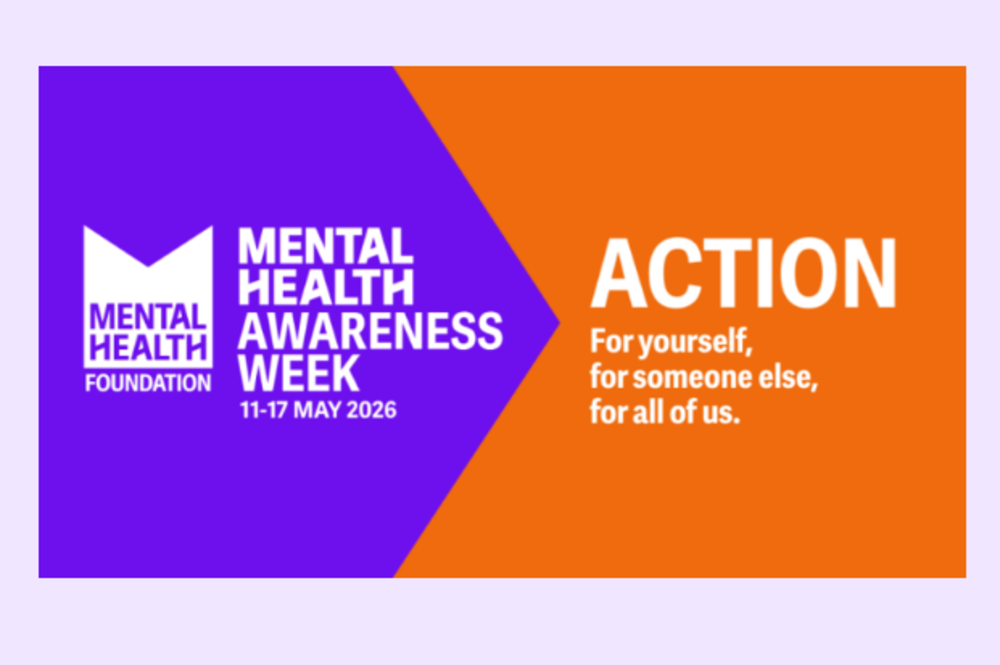
Mental Health Awareness Week will take place from 11–17 May 2026, offering organisations across the UK a timely opportunity to move beyond conversation and focus on practical steps that improve health and wellbeing at work.
This year’s theme is “Action” – highlighting the need to turn awareness into meaningful change. While talking about mental health remains vital, the campaign’s message is clear: improving mental health requires tangible action from individuals, workplaces and wider society.
For employers navigating rising workloads, economic uncertainty and rapid workplace change, the theme lands at an important moment.
Why the 2026 theme is “Action”
The Action theme focuses on three levels of change — from individual wellbeing habits through to organisational and systemic improvements.
Action for yourself encourages people to take small, sustainable steps that protect their own mental health. This might include setting boundaries, prioritising rest, connecting with others or seeking support when needed.
Action for someone else highlights the importance of creating supportive environments — whether in workplaces, schools or communities. In organisations, that can mean better management practices, psychologically safe cultures and accessible wellbeing support.
Action for all calls for broader structural change so that everyone can access the help they need. This includes policy, leadership and long-term investment in mental health.
The theme underlines a simple but powerful idea: awareness alone isn’t enough. Real change happens when people and organisations take action to improve mental health outcomes and prevent people from becoming unwell in the first place.
What is Mental Health Awareness Week?
Mental Health Awareness Week is one of the UK’s biggest public campaigns dedicated to mental wellbeing. Organised annually by the Mental Health Foundation, it aims to spark conversation, reduce stigma and encourage practical steps that support mental health.
Since it began in 2001, the week has grown into a nationwide movement involving charities, employers, schools, communities and policymakers.
Each year focuses on a specific theme linked to a major mental health challenge or opportunity for change. Previous themes have explored issues such as loneliness, kindness and community — all factors that influence health and wellbeing in everyday life.
Why this matters for employers
The 2026 theme is particularly relevant for workplaces.
Employee mental health continues to rank among the top concerns for organisations, as leaders balance productivity expectations, digital transformation and ongoing economic pressures.
While many employers have invested heavily in awareness campaigns and health and wellbeing benefits over the past decade, employees are increasingly looking for visible action.
That includes:
- Workloads that are genuinely manageable
- Leaders who role-model healthy behaviours
- Access to effective support
- Workplace cultures where speaking up feels safe
Mental Health Awareness Week offers a useful moment for organisations to assess whether their health and wellbeing strategy is delivering meaningful impact — or simply good intentions.
Turning awareness into workplace action
Employers don’t need complex programmes to support the campaign. In fact, the spirit of this year’s theme is about practical, achievable steps.
1. Encourage small actions that support wellbeing
The campaign encourages individuals to make small changes that build resilience over time.
Employers can support this by promoting habits such as taking proper breaks, setting realistic expectations around availability, encouraging movement and creating space for recovery during busy periods.
2. Equip managers to support their teams
Managers have one of the biggest influences on employee health and wellbeing. Providing training on mental health conversations, workload management and psychological safety can make a significant difference.
Mental Health Awareness Week can be a good moment to launch or reinforce this support.
3. Review the reality of workloads and pressure
One of the most meaningful “actions” organisations can take is addressing the root causes of stress.
That might include reviewing capacity, simplifying processes, reducing unnecessary meetings or clarifying priorities during periods of change.
4. Highlight support that already exists
Many employees remain unaware of the help available to them.
The week provides an ideal opportunity to remind staff about services such as EAPs, mental health champions, benefits programmes or digital wellbeing tools.
5. Use the campaign as a catalyst for longer-term change
The most impactful organisations treat awareness weeks as a starting point rather than a standalone event.
That might mean setting new wellbeing goals, gathering employee feedback or strengthening leadership accountability for culture and health.
A shift from awareness to impact
Over the past decade, workplace conversations about mental health have progressed significantly. Stigma has reduced and more organisations now recognise their role in supporting employee wellbeing.
The 2026 theme signals the next stage of that journey.
Awareness opened the door. Action is what will determine whether workplaces genuinely become healthier environments for the people in them.
For employers, Mental Health Awareness Week is an opportunity not just to talk about mental health – but to demonstrate what meaningful action really looks like.
You might also like: