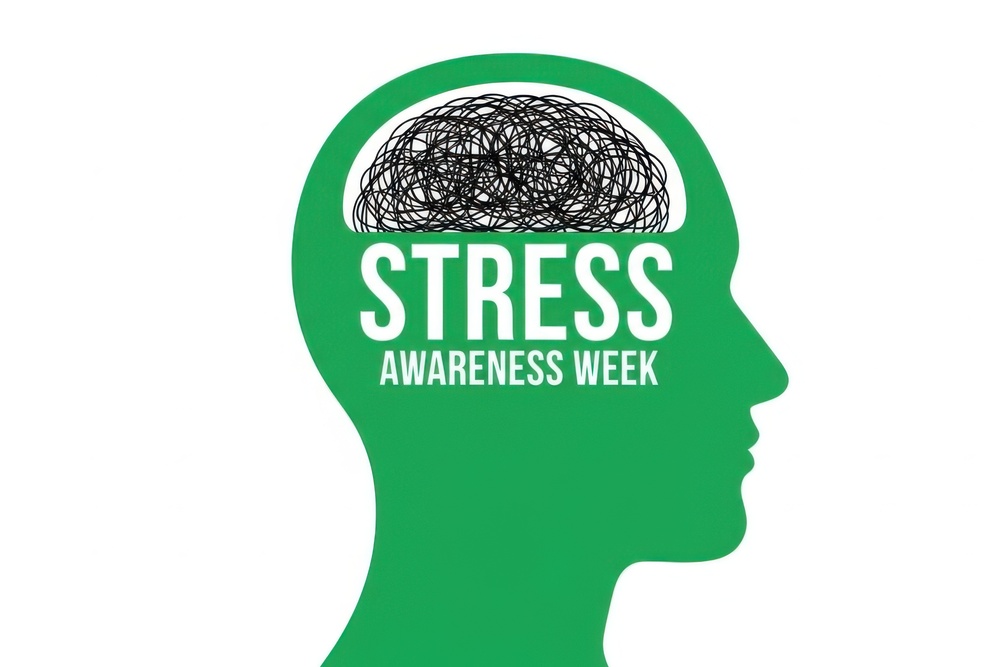
Stress Awareness Week runs from 3–7 November. It exists to raise awareness and, more importantly, to turn that awareness into action that protects health and performance all year round. I founded the Week to make that simple idea practical: help people understand stress, equip leaders to reduce it at source, and encourage organisations to take stress seriously as a workplace risk.
Pressure is useful. Unmanaged stress is not
We often mix up pressure and stress. They are not the same. The right level of pressure can focus effort and sharpen performance. Stress happens when demands exceed our resources and control. That is when people feel overwhelmed, health suffers and performance drops. The goal is not to eliminate pressure. The goal is to stop pressure tipping into stress by noticing the signs early and taking corrective action. Awareness is the first step. Action is the second.
ISMA Summit: one day, practical outcomes
On Wednesday 5 November, ISMAUK hosts the Global Online Stress and Wellbeing Summit. It brings together experts and practitioners to share what works, challenge what does not, and give you tools you can apply immediately. You will hear clear thinking on leadership, standards and culture, alongside practical techniques to build resilience and focus. If you want a day that moves you from intention to implementation, this is it.
Spotlight on session 1: strategic stress management, ethical leadership and standards
We open with Session 1 from 09:30 to 10:30, an interactive panel moderated by Amy McKeown. It goes straight to the levers that matter: ethical leadership, the forthcoming updates to the HSE Stress Management Standards, and how to build cultures where people can genuinely thrive.
The panel features Professor Sir Cary Cooper CBE, Peter Kelly, Clare Fernandes, and Nick Pahl, with live Q&A so you can pressure-test your approach. Expect practical discussion on legal implications, the realities for SMEs, psychosocial risk assessment in practice and where Occupational Health fits for both prevention and support.
Professor Sir Cary Cooper CBE will set the scene with new evidence he is leading on the links between good work, leadership behaviour and performance. His programme underpins the HSE Stress Management Standards, which are now being updated for relaunch, and he will outline what is changing and why it matters right now.
Peter Kelly will draw on a year of hands-on HSE and ISO psychosocial risk assessments, sharing what he has seen in organisations, including SMEs. He will show what good looks like and how a psychosocial risk assessment works day to day, from identifying hazards and consulting employees to prioritising controls, agreeing actions and reviewing progress.
Clare Fernandes brings the in-house view from a major employer, showing how stress and psychosocial risk fit within workplace health, where legal exposure arises, which manager behaviours move the dial, and why ethical leadership is the anchor for day-to-day decisions.
Nick Pahl, CEO of the Society of Occupational Medicine, will connect stress prevention with early clinical support and safe return to work so you can see where Occupational Health is the backbone rather than an afterthought. Amy will keep the conversation focused on decisions you can take back to your organisation in the next quarter, with space for your questions throughout.
The rest of the day – at a glance
Across the day you will hear from a strong and varied faculty. Celynn Morin leads a practical session on energy and focus. Dr Lynda Shaw, Dame Carol Black and Shelley Bridgman join Dr Laura Ginesi to explore how stress management sits inside inclusive and adaptable workplaces.
Prash Kotecha guides a “change your state” session using mantra, music, meditation and breathwork. Professor Paul Stanton examines the thinking patterns that help or hinder resilience. The programme closes with the ISMA Stress Management Awards and networking, giving you a full sweep from leadership and standards through to day-to-day skills.
Why this conversation matters now
Across the UK, absence and presenteeism carry significant human and financial costs. Policies and posters are not enough. Organisations need visible leadership, competent managers, safe processes for disclosure and support, and procurement that routes people to the right help fast. Session 1 sets the tone for the day by grounding stress management in governance and standards, not just goodwill. That is how you reduce risk, improve performance and keep people well at work.
The rest of the day is designed to be useful
Beyond Session 1, the Summit blends leadership debate with practical skills so you can work on both the system and the self. Expect evidence, discussion and application, all in one day, live online and easy to access wherever you are. If you cannot join live, secure your place and catch up on demand.
A week to start, a year to practise
Stress Awareness Week is an annual reminder, not a once-a-year fix. Use the Summit to reset your approach, learn from peers, and commit to small, sustained changes. The prize is healthier people, stronger performance and workplaces where pressure is channelled productively.
You can find out more about the Global Online Stress and Wellbeing Summit and book your place here.
About the authors:
Carole Spiers MBE is a leading international stress consultant who helps senior executives and organisations thrive under pressure. She is CEO of the Carole Spiers Group, Chair of ISMAUK, and the founder of both International Stress Awareness Day and Week. Carole is the author of “Show Stress Who’s Boss!” and “Managing Stress in the Workplace,” and is a regular commentator on BBC, Sky, LBC and CNN. With over 25 years’ experience, she specialises in reducing stress, building resilience and managing change across the UK, Europe and the Middle East.
Amy McKeown is an international Strategist and advisor on workplace health, mental health and women’s health. She will moderate Session 1 at the ISMA Summit, drawing on two decades of experience advising Boards, FTSE companies and governments on strategy and measurable outcomes.
You might also like: