Before we talk about campaigns, posters, or awareness weeks, we need to start with the reality many of us already know – but don’t always act on.
1 in 5 men die before they reach 65 due to five mostly preventable causes and on average 4 years earlier than women.
Suicide remains the leading cause of death in men under 50. Heart disease, prostate cancer, bowel cancer and lung cancer continue to take men too early – often shaped by workplace risk, lifestyle, stress, and late intervention.
And despite years of workplace wellbeing investment, many of the men most at risk are still not engaging.
Work is driving risk
After decades working across health, social care, and male-dominated industries, one thing is consistent – work is not neutral in men’s health.
It builds risk.
Men in transport roles spend long hours sedentary and alone. We see the impact in cardiovascular disease, weight gain, and mental health decline.
Construction remains one of the highest-risk sectors for suicide. Long hours, job insecurity, transient workforces, and a culture that rewards toughness all compound risk – often alongside alcohol use and poor sleep.
Shift work, manual labour, and operational roles bring chronic fatigue, limited access to support, and environments where health simply isn’t prioritised.
These aren’t edge cases. They are the conditions many men work in every day.
The Government’s Men’s Health Strategy reinforces what many of us have been seeing for years – men’s health is shaped by where they work, how they work, and whether the system meets them there.
Poor men’s health shows up in absence, reduced performance, higher turnover, and long-term cost to employers and the wider economy.
Why many approaches still don’t land
Most workplace wellbeing strategies are built with good intent.
But they are not built for the men who need them most.
We continue to lead with awareness and “opening up” – and then wonder why engagement is low.
Men are engaging all the time. Just not with what’s being offered.
Because the entry point is wrong.
What actually works with men
Over years of strategic wellbeing leadership across male-dominated workforces, the pattern is clear.
Men engage when the approach is:
- Practical
- Action-based
- Peer-led
- Grounded in something they can do, not just discuss
The evidence backs this. Men respond to structured, goal-oriented approaches that connect to real life and real outcomes.
Which is why physical activity consistently cuts through.
Physical activity: the entry point we underuse
Physical inactivity sits behind many of the biggest health risks facing men – from cardiovascular disease and diabetes to poor mental health and certain cancers.
But beyond the physiology, it does something more important.
It gives men a way in.
Movement reduces stress, improves mood, and creates connection without forcing conversation. It builds trust and camaraderie – the conditions that make wider health conversations possible.
In practice, this is where we see the shift.
What this looks like in the real world
At Nexus, embedding physical activity challenges into the workplace created measurable change.
Men showed up. Manbassador challenges motivated staff to move more, with data showing an average 246% increase in exercise time. During challenges, men averaged 309 minutes of activity per week – 159 minutes more than the NHS recommended minimum. They completed just over one activity every single day, typically around 30 activities per challenge.
The most popular entry points? Walking (48%) and workouts (23%) – the activities easiest to “just start” compared to running or cycling which require more commitment.
Men moved together, connected, and built peer support naturally. Conversations followed when the environment allowed them to happen.
Start with something that feels relevant. Build from there.
Time to raise the standard
We don’t need more activity for the sake of it.
We need interventions that match the reality of men’s lives and working environments.
That means designing for:
- Action over messaging
- Shared experience over individual responsibility
- Connection through doing, not just talking
A practical way to start
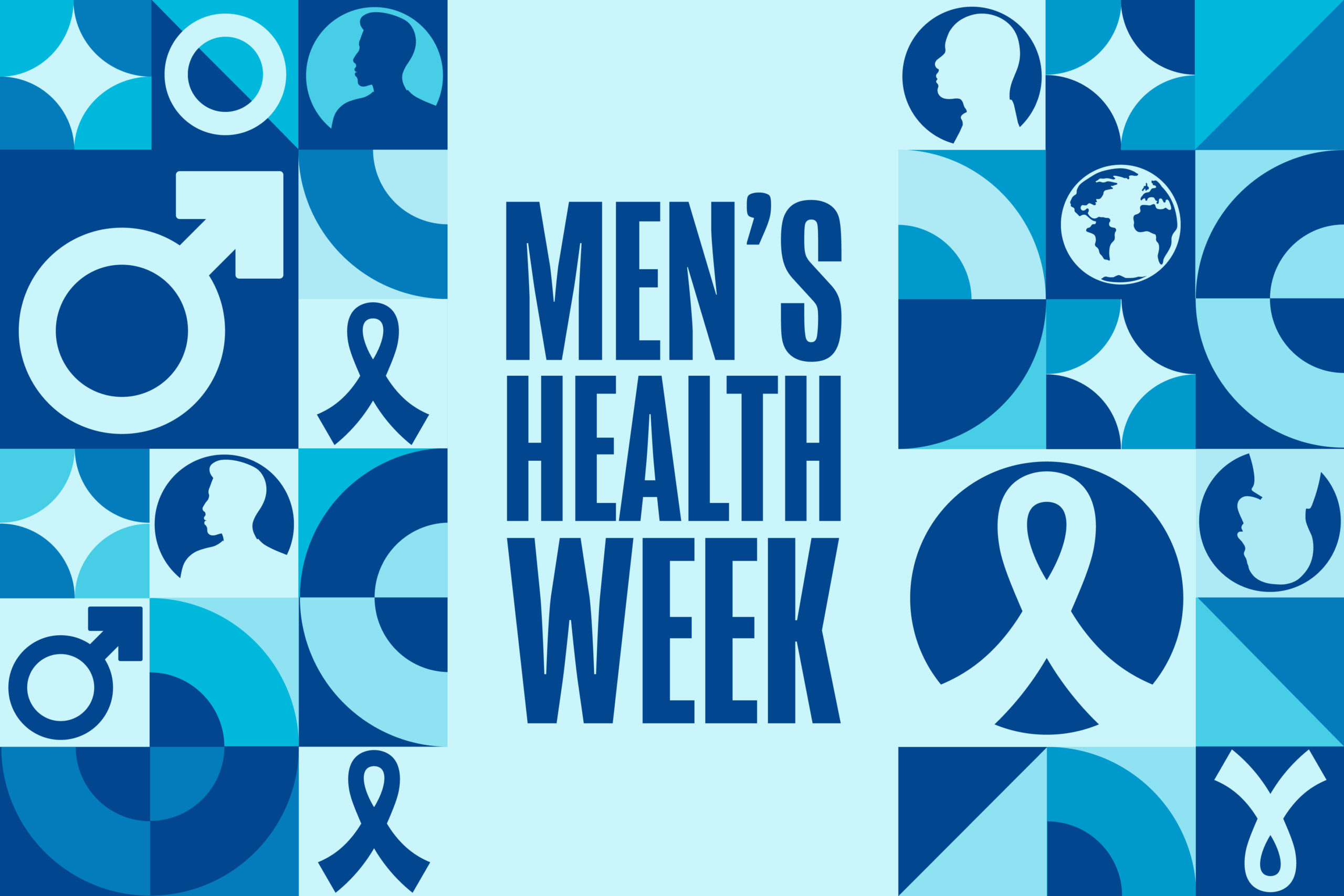
This Men’s Health Week, we’re inviting organisations to take a different approach.
The Million Minutes for Men’s Health Challenge is a team-based activity challenge designed to get people moving – and to engage men in a way that feels natural and accessible.
From 11 June to 19 July, teams of five represent a nation and log their minutes of movement during Men’s Health Week and the FIFA World Cup.
Walk, run, swim or train – every minute counts.
- Open to everyone
- Built around teamwork and friendly competition
- Designed to create connection
- Weekly men’s health content to support behaviour change beyond the challenge
- 2 Months free access to Active Teams
- 10% discount on the Manbassador® “Where’s Your Head At, Mate” education session booked between now and the end of July.
🏆 Prizes for top teams 🎯 Milestone rewards for engagement ⚽ World Cup theme to drive momentum
👉 Register your organisation for free: https://activeteams.co.uk/millionminutes
If we want to reach the men who are currently missing from our wellbeing strategies, we need to meet them in ways that feel relevant to their lives.
For many, that starts with movement.
From there, the door opens.
About the Author
Emily Pearson is a strategic wellbeing leader and founder of the Wellbeing Lead Academy. Winner of the Lifetime Impact in Workplace Wellbeing Award at the Great British Workplace Wellbeing Awards 2026, Emily has 25 years’ experience working with CEOs and boards to embed human sustainability into business strategy. She is author of Human Sustainability: Solving the CEO’s Blind Spot and specialises in preventative, system-level approaches to workplace wellbeing. The Wellbeing Lead Academy has worked with organisations including Amazon, Sky, and Hitachi, and has achieved a 41% reduction in mental health-related sickness absence within 12 months at client organisations.
You might also like: