
New research suggests wellbeing across the retail sector has improved for the first time in a year, with stronger manager relationships helping to reverse a steady decline. However, employees working in stores and distribution centres remain significantly more likely than head office staff to consider leaving their jobs or attend work while unwell.
Wellbeing across the retail industry has improved for the first time in more than a year, according to the latest Retail People Index from the Retail Trust and AlixPartners.
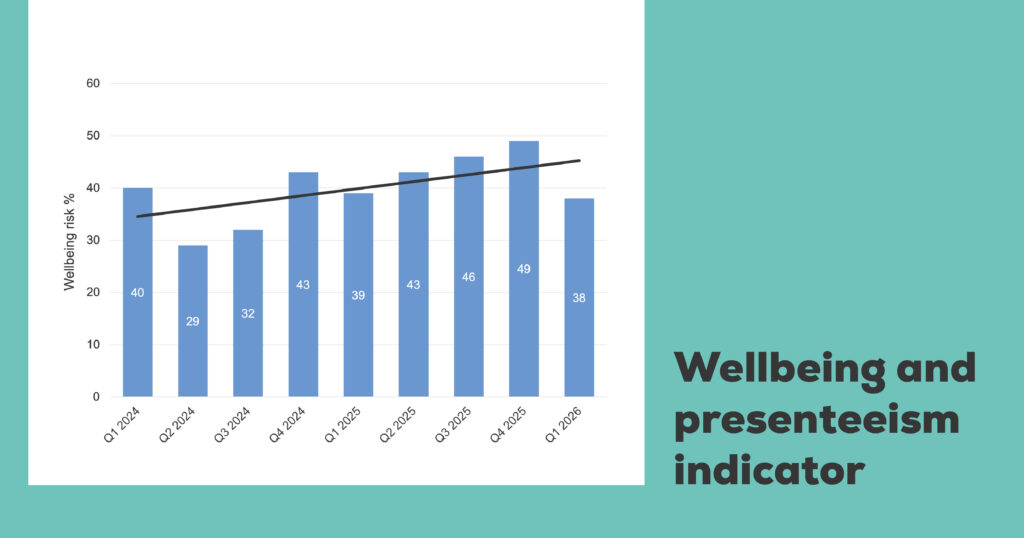
The report found overall wellbeing scores rose from 57 to 62 during the first quarter of 2026, moving back above the threshold that indicates workers may be struggling with their mental health. Researchers suggest improved relationships between managers and their teams have played an important role in that recovery.
While the overall picture is more positive than it was at the end of last year, the findings also highlight a continuing divide between frontline retail workers and colleagues based in head office.
Better manager support appears to be making a difference
The Retail People Index found manager relationships reached their highest level in 18 months during the first three months of the year, coinciding with improvements in employee wellbeing.
The data also showed encouraging movement in other areas. The proportion of retail employees considered likely to leave their jobs fell by 9%, while the number of people continuing to work despite feeling physically or mentally unwell dropped by 11%.
Chris Brook-Carter, Chief Executive of the Retail Trust, said the findings demonstrate the value of investing in frontline leadership.
“This rise in overall wellbeing and relationships between managers and staff is testament to a renewed investment in leaders and the impact this can have on everyone’s ability to turn up to work feeling happier, healthier and more productive.”
Frontline employees remain under greater pressure
Despite the improvement, store and distribution workers continue to report significantly lower wellbeing than colleagues working in head office.
Almost half (49%) of distribution centre employees and 47% of store workers were identified as being at risk of leaving their jobs, compared with 36% of head office staff.
Presenteeism also remains considerably higher among frontline teams. Four in ten store and distribution employees said they had gone to work despite feeling physically or mentally unwell during the first quarter of 2026, compared with 30% of employees working in head office roles.
The report suggests ongoing pressures such as job insecurity, rising living costs and abuse from customers continue to have the greatest impact on those working directly with the public.
Why the findings matter
The research reinforces a growing body of evidence linking employee wellbeing with wider organisational performance.
Higher levels of presenteeism can affect productivity, while increased turnover places additional pressure on recruitment, training and customer service.
Laura Bond, Director at AlixPartners, said organisations that continue investing in employee wellbeing are likely to see benefits beyond workforce health alone.
“Workplace wellbeing is often framed solely as a people issue, yet the data in this report continues to highlight clear risks to overall business performance.”
She added that retailers recognising this link and acting on it are likely to gain a competitive advantage.
Progress, but more work to do
The findings suggest retailers are beginning to see the benefits of investing in manager capability and employee support, helping to reverse a year-long decline in wellbeing across the sector.
However, the persistent gap between frontline and head office employees shows many of the challenges facing retail workers remain unresolved.
For employers, the next step may be ensuring support is targeted where it’s needed most, particularly for colleagues working in stores and distribution centres who continue to face higher levels of stress, presenteeism and intentions to leave.
The Retail People Index is based on responses from more than 1,300 retail employees using the Retail Trust’s online wellbeing assessment, delivered in partnership with employee engagement platform WorkL.
You might also like: