The UK’s largest listed companies are making significant progress in how they support employee mental health, according to the latest CCLA Corporate Mental Health Benchmark, published this week.
Now in its fifth year, the benchmark has become an influential framework for helping organisations strengthen their approach to workplace mental health while giving investors greater insight into how businesses are managing one of their most valuable assets – their people.
As UK employers come under increasing scrutiny from the Health and Safety Executive over how they manage work-related stress and psychosocial risks, workplace mental health is rapidly becoming much more than an employee wellbeing issue.
More companies are climbing the benchmark
This year’s results point to steady improvement across the UK’s largest listed businesses.
Of the 100 companies assessed:
- 20 organisations improved their performance sufficiently to move up a performance tier, benefiting an estimated 730,000 employees.
- 26 companies now sit within the benchmark’s top two performance tiers, compared with just 10 when the benchmark was first launched in 2022.
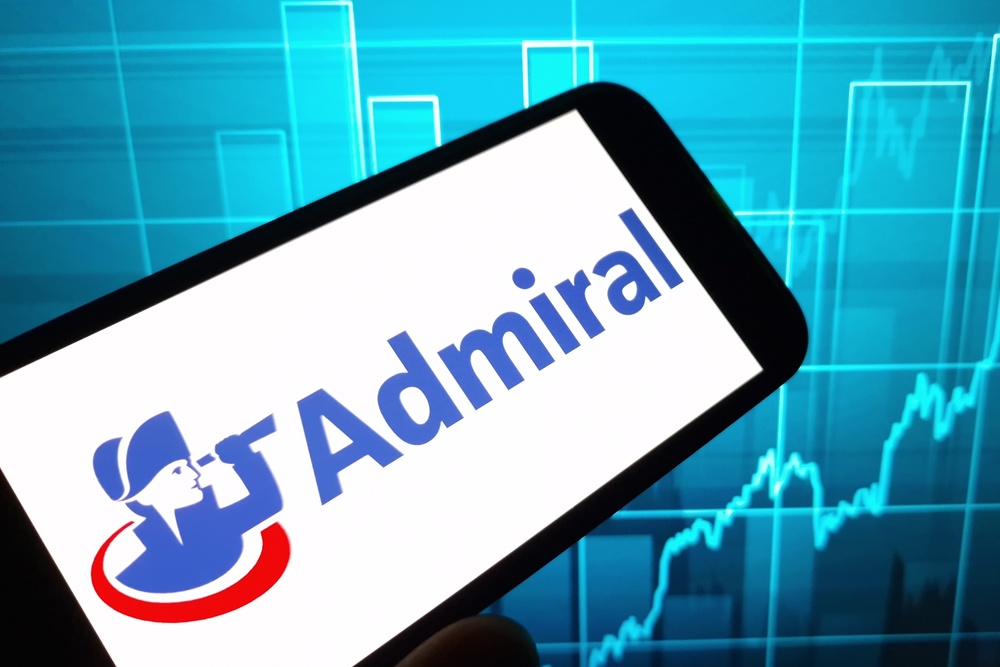
- Admiral Group made the biggest leap, moving from Tier 3 to Tier 1.
Other organisations progressing into Tier 1 include Barclays and National Grid, while Serco, Entain, Centrica and Rio Tinto all retained their place in the highest tier.
Meanwhile, Anglo American, Associated British Foods, FirstGroup, Mitie Group and Rolls-Royce Holdings all progressed from Tier 3 into Tier 2, joining organisations including Lloyds Banking Group, NEXT, Aviva and Balfour Beatty.
Taken together, the results suggest that many organisations are moving beyond mental health awareness campaigns towards more structured, organisation-wide approaches.
Why investors are paying attention
The benchmark serves a dual purpose.
Alongside helping organisations improve their own practices, it has become an accountability tool for investors seeking to understand how effectively businesses are managing the risks and opportunities associated with employee mental health.
That reflects a broader shift in thinking.
Increasingly, workplace mental health is being viewed alongside factors such as leadership, organisational culture and governance as an indicator of long-term organisational resilience and sustainable performance.
What the Corporate Mental Health Benchmark means for employers
The benchmark’s evolution mirrors wider developments across the workplace health and wellbeing agenda.
With employers navigating rapid advances in AI, economic uncertainty, changing workforce expectations and increasing attention on psychosocial risks, mental health is becoming less about standalone wellbeing initiatives and more about how work itself is designed and managed.
Many leading organisations are now focusing on areas such as:
- developing psychologically safe workplace cultures
- equipping managers to have better conversations
- improving job design and workload management
- embedding wellbeing into leadership and business strategy
- measuring progress through robust reporting and governance.
This represents a significant shift from earlier approaches that often focused primarily on individual support services.
What employers can learn
Although the benchmark assesses the UK’s largest listed companies, its findings have implications for organisations of every size.
As expectations from employees, investors and regulators continue to evolve, employers are increasingly being judged not simply on whether they offer mental health support, but on whether they are creating working environments where people can perform sustainably.
The progress highlighted in this year’s benchmark is encouraging, with a growing number of organisations demonstrating that improvement is possible.
The challenge now is to ensure that mental health becomes embedded in everyday leadership, workplace culture and organisational decision-making – helping create healthier, more resilient workplaces where both people and businesses can thrive.
You can download the full CCLA report here.
You might also like: