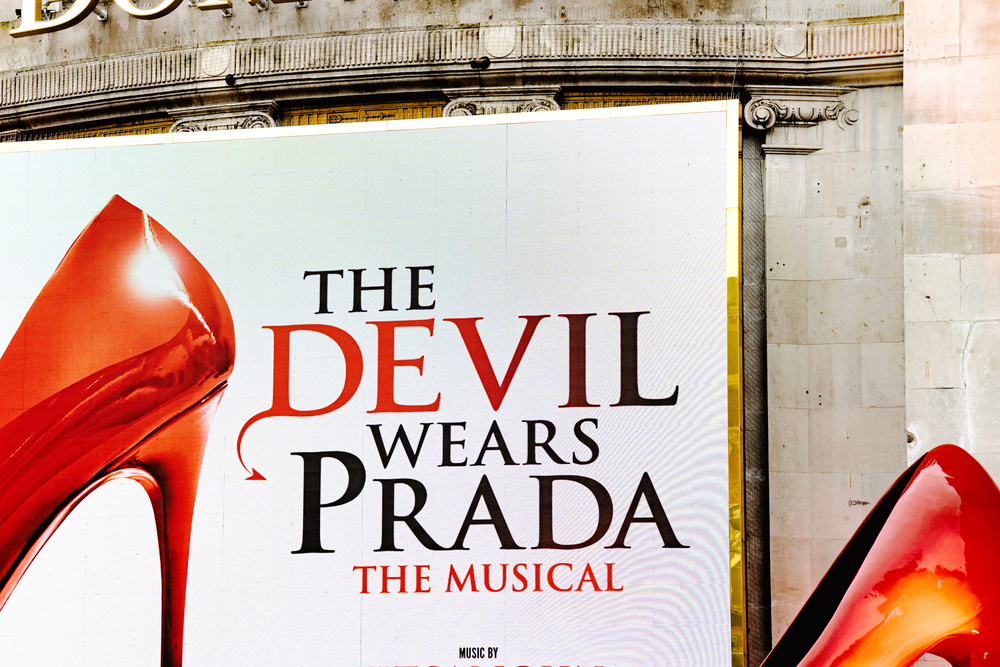
If you’re in HR and haven’t yet watched The Devil Wears Prada duology, you’re missing a neat study in how workplace expectations have shifted. In the 2006 film, Miranda Priestly (the ice-cold editor-in-chief) treated her staff with almost no respect and gets away with it. She throws her coat and bag at junior assistants, demands near-impossible tasks, and threatens careers when expectations aren’t met.
In today’s workplace, almost every one of those moments would land on HR’s desk. So when did it change? Why was it once acceptable to comment on an employee’s weight and what they wore? The film is fiction, but no one challenged her, and the magazine’s success was treated as justification for everything. The 2026 sequel puts that workplace culture shift front and centre.
With Anti-Bullying Week this November, it’s a good time to ask whether your workplace has genuinely become more respectful, or whether we’ve simply changed what we’re prepared to call acceptable.
Are we more respectful, or just more vocal?
Most modern workplaces sound more respectful. Values are polished, policies are in place. But the data suggests the reality is messier.
Between 2006 and 2026, the number of employment tribunal claims (GOV.UK) have already increased by 121%. Not all of those link directly to workplace bullying, but the 2024 Skills and Employment survey found that 14% of employees had experienced some form of abuse at work, including bullying, physical violence or harassment. Progress is clear in places, but those figures don’t describe a problem we’ve solved.
There’s no statutory definition of bullying in UK law, but Acas guidance describes it as offensive, intimidating, malicious or insulting behaviour, and an abuse or misuse of power that undermines, humiliates or injures the person on the receiving end.
The definition doesn’t mention seniority, but ‘abuse or misuse of power’ puts leaders closer to the line than anyone. This is the Miranda Priestly problem. If shouting is just ‘how she is and a curt email is ‘just her style’, then behaviour that would be unacceptable from a colleague gets relabelled as high standards when it comes from a leader.
The iced coffee test
A recent online debate criticised Gen Z candidates for turning up to interviews with an iced coffee in hand. Many called it unprofessional, and a failure to ‘read the room’. Are we really going to let someone’s coffee order dictate how much respect they’re shown, over the skills they bring to the table? It’s a small thing, and it’s so easy to judge from the interviewer’s chair, because the candidate has no power and nothing to lose.
Compare that with how we treat a senior leader who belittles a junior colleague in front of the team. We reach for the excuses: they’re under pressure, they’re tough but fair, that’s just their style. We seem to hold the least powerful to the strictest standards of etiquette and the most powerful to the loosest standards of conduct.
Expectations are also generational. Younger employees are often accused of being too sensitive, but the Acas data suggests they are not shy about conflict: 42% of 16- to 24-year-olds and 49% of 25- to 34-year-olds reported experiencing conflict at work, compared with 32% of 55- to 65-year-olds. That may mean younger workers are more willing to name problems and face them head on. Either way, ‘they just need thicker skin’ doesn’t hold up.
Times have changed. And if you’re siding with the anti-iced coffee brigade, you’re siding with Miranda Priestly.
Where HR accountability comes in
If Miranda Priestly worked for your organisation, who would hold her to account? In the film, nobody does. Her assistant just whispers warnings each time she crosses the line.
In real organisations, HR leaders are often asked to police a policy while having little say over the people who matter most to the business. If the person at the centre of a complaint is a top performer or simply senior, the process can quietly stall. Employees notice when a system protects the powerful. They stop using it, and silence gets mistaken for a happy, healthy culture.
There are practical things any organisation can do:
- Check how safe people feel to report issues. Don’t judge by how many complaints you receive. A low number can mean a healthy culture, or it can mean that nobody trusts the process. HR and wellbeing should be built into the organisation, not just bolted on where the gaps are already obvious.
- Apply the same standard at every level. If a junior colleague would be pulled up for a behaviour, a director should be too.
- Watch for the quiet signals of poor management and quiet quitting employees. Rising sickness absence or high turnover in one team usually shows up long before a formal complaint. Connecting siloed systems under one platform surfaces those patterns before they become problems. Without connected data, they stay invisible.
What really matters
I don’t think the modern workplace is more respectful or less respectful than it was. In many places, it is more articulate about respect than it is consistent in practice. We’ve become good at policing small breaches of etiquette that cost nobody anything, and slower at challenging conduct that does real harm, particularly when it comes from someone who delivers results.
Miranda Priestly would probably make a very good boss in a company that tolerated her. The better question for any leader this Anti-Bullying Week is whether theirs still would. The Devil may wear Prada, but she should always have to answer to HR.
You might also like: