
SuperWellness founder Angela Steel interviewed wellbeing & culture strategist Katherine Billingham-Mohamed in the run-up to their new webinar for senior leaders – Workplace wellbeing: what got us here… won’t get us there.
After 25+ years in senior HR and operational leadership at Aviva, Ipsos, Ofcom, Greggs and Headspace, Katherine has seen first-hand that when people thrive, organisations win. The challenge is: how do we make this happen?
Angela: You’ve worked across Aviva, Ipsos, Ofcom, Greggs and Headspace — what’s the one thing about wellbeing that held true in every single one of those very different organisations?
Katherine: That designing a wellbeing strategy based on data and insight and connected to organisational performance is the most efficient, poignant and targeted way to ensure your investment of money and time in anything you do around Wellbeing pays off.
You describe wellbeing as “the tiny fires that ignite performance.” Where did that idea come from, and what does it look like in practice?
Katherine: I think Tiny fires represents the power of tiny, micro actions to deliver sustainable, long-term performance and change. Applying small, everyday changes in the way we behave, in the decisions we make, in our daily habits, all add up to drive the organisational performance and change you want to see. It’s the 1+1+1 effect, ultimately I see it as:
“Tiny Fires help organisations deliver the outcomes that matter by shifting the everyday behaviours, habits and decisions that drive performance.”
You say you “don’t do surface-level wellbeing” — what does surface-level wellbeing actually look like, and why does it fail?
Katherine: It’s usually sporadic event based, one off initiatives that aren’t linked to a wider strategy or to driving any business outcomes. It’s the sort of thing that employees say ‘oh that was nice (a smoothie, puppy cuddling or yoga) and then go back to their job where they have no autonomy, a leader that doesn’t even say good morning or no way of knowing how AI will impact their job. It fails because it doesn’t address the systemic issues that create an environment for employees to flourish and thrive, it’s just a sticky plaster.
Most organisations have been investing in wellbeing for years. Why do so many senior leaders still struggle to say what that investment has actually delivered?
Katherine: My assumption is that they either haven’t been intentional about their wellbeing strategy connecting to delivering business performance and outcomes and they aren’t measuring the impact of what they are doing (or they aren’t measuring the right things!)
What’s changed that means the old approach to wellbeing — the one that got most organisations to where they are now — won’t be enough for what’s coming next?
Katherine: Wellbeing has been on a journey, it was the shiny, new ‘toy’ in the world of employee experience a decade ago, novelty, if you will. Then COVID hit and shone a light on employers to do more, post COVID I think organisations have been trying to find a better balance between employer and employee responsibility and accountability for wellbeing – each party has a role to play.
I think the other challenge is that Wellbeing hasn’t really been seen as a driver of performance, for me it’s clear driver of organisational success because at the foundation of a high performing organisation, are employees who are thriving, motivated, energised, valued and connected; delivering amazing performance in the teams that they work in. If we continue to see it as a nice to have, mainly disconnected, initiative-based employee experience offering, it won’t do what we need it to, to drive organisational performance.
You’ve said fragmented, uncoordinated wellbeing initiatives erode trust in the whole agenda. What does that erosion actually cost a business?
Katherine: If we look at it from an employee’s perspective. A person comes into work and sees Puppies are scheduled to come in next week and people can book a 15 min slot to have a cuddle (just to be clear, I LOVE puppies!) – they book a slot, have a 15 min cuddle then go back to their work and have to meet unrealistic deadlines, in under resourced teams, have a lack of clarity of what’s expected of them and feel unrecognised and undervalued. Trust erodes because you’re not tackling root cause. It takes courage to dig into what’s really going on and honesty to admit that things may need fixing at a deeper level. I do believe employees would take this though over puppies any day (again I LOVE puppies!)
A lot of managers tell us they’re afraid to challenge poor performance in case it looks like a wellbeing issue. Why does that happen, and what should good practice look like instead?
Katherine: The ability to challenge poor performance becomes easier when you have a strong foundation in the relationships you have with the team. Trust is built from a series of small, everyday actions. Tackling poor performance becomes easier when you have a foundation of trust. So invest in the relationship overall, so performance is a regular conversation you have and not just about ‘poor performance’, as Brene Brown says ‘Clear is Kind’!
With AI adoption reshaping so many roles right now, how should leaders be supporting people through that change rather than just expecting them to cope with it?
Katherine: Oooh this is a passion of mine! Whether it’s AI adoption, a change in how you’re working, a new process or systems approach, it doesn’t really matter. Managers need to understand more around HOW people deal with change. Organisations see change as a logical A-B-C path – i.e. Something needs to change (for whatever reason) – we change it and then – we work differently. The human brain doesn’t work that way. Neuroscience shows us that we process change in different ways, every change (even really positive things like promotions) involves loss and generally managers don’t understand (and are under invested in) how this plays out and how best to support people through it.
If an organisation has ten wellbeing initiatives already running, how do they work out which ones actually matter and which are just noise?
Katherine: Two hours, in a room – list them out, write down their impact, link it to achievement of a business outcome. If you can’t, it’s not adding value, if you can, great – now define a way of measuring impact and connect it to the business outcome, then ditch the rest!
What does “good” actually look like when wellbeing is genuinely built into business strategy, rather than sitting next to it?
Katherine: Having a wellbeing strategy informed by data and insight that connects directly with driving business outcomes and organisational performance. Clear priorities (i.e. don’t do more than 3 things in a year!) that are measured and monitored and connected across the employee experience life cycle.
For a leader starting from scratch, what should they prioritise first — and what should they resist the urge to do first?
Katherine: Listen to your people, find out what good looks like for them and what they need. Then look at your business strategy and ask ‘what will drive organisational performance’ – gather the data together, look at it holistically then set your priorities.
You’ve reduced absence by millions and lifted engagement by double digits in past roles — what’s the common thread in the strategies that actually moved those numbers?
Katherine: Pretty much the above! My early work probably leant more towards what employees needed, mirroring where wellbeing was on its journey. Now it’s about the balance between what employees need and what organisations can leverage to drive sustainable human performance. I fundamentally believe the two are NOT exclusive. You can care about your people, invest in them and support them to take responsibility for their own wellbeing AND deliver great business performance. They are intrinsically linked.
What’s the biggest misconception senior leaders have about how long it takes to properly embed a wellbeing strategy?
Katherine: Having a high-performance culture is wider than having a wellbeing strategy, so you can’t look at Wellbeing in isolation. Culture is usually defined by the lowest level of behaviour / action that is tolerated. Embedding a wellbeing strategy is relatively simple, but it takes a relentless consistency, clear priorities and focus on the everyday moments that matter if you truly want to create an environment where your employees feeling like they are thriving each day.
Without giving away the whole webinar — what’s one thing you want every senior leader watching on 17 September to walk away rethinking?
Katherine: That I could do one thing TOMORROW (or TODAY!) to take a step towards leading an organisation that delivers high performance AND have employees who are thriving, motivated, energised, valued and connected; delivering amazing performance in the teams that they work in.
If someone can only take one action, what should it be?
Katherine: Oooh, come along to the session and let’s chat, challenge and come up with something that works for you! I love the cognitive diversity that a group of people coming together to chat about a topic brings – so come join the party!
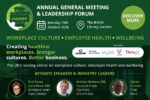
Join our free webinar on 17th September at 2pm:
Workplace wellbeing: What got us here… Won’t get us there. It’s time to act.
Wellbeing as we know it is defunct — come and join us to discuss how to reframe it as a sustainable driver of human and organisational performance.
Book your place here: https://superwellness.co.uk/wellbeing-performance-webinar/
About the authors
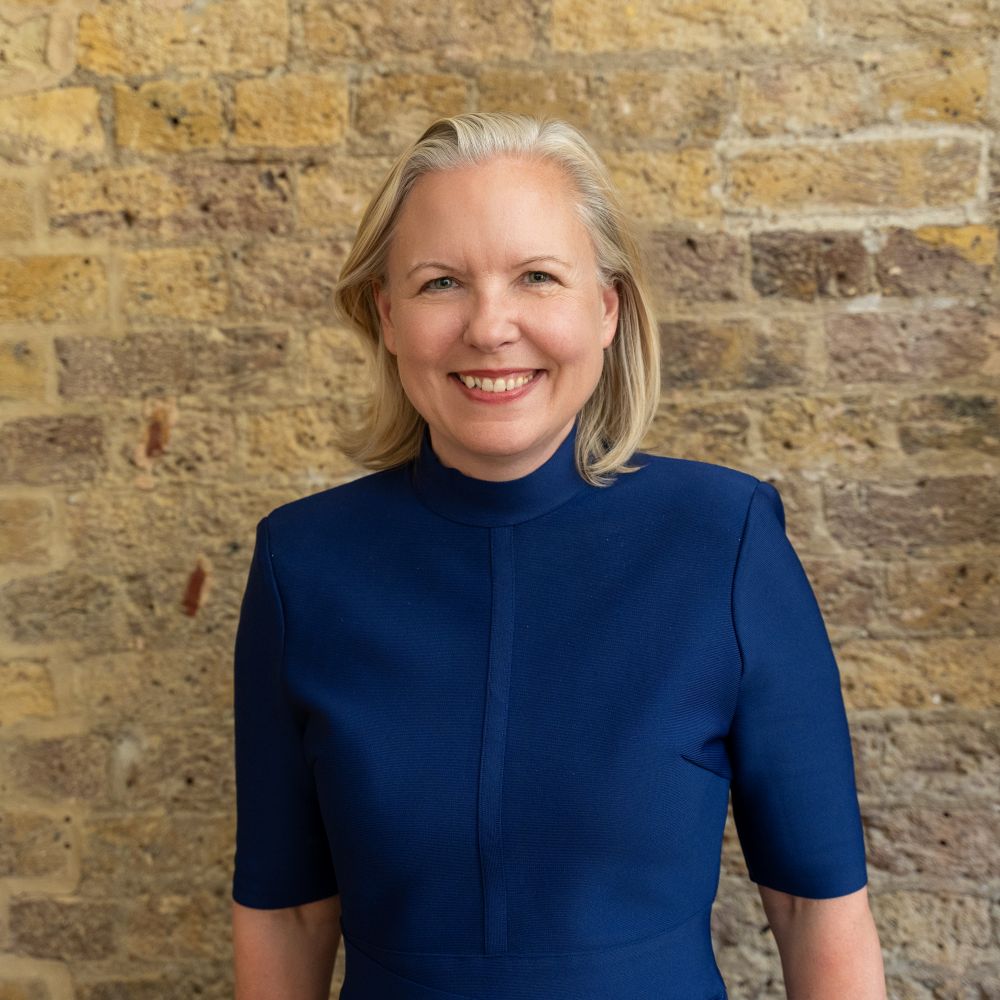
Angela Steel MSc, Founder, SuperWellness
After a 15-year corporate career, Angela Steel retrained in nutrition in 2009 and gained an MSc in Organisational Psychology at Birkbeck in 2023. She is the founder of SuperWellness, a company that partners with leaders of organisations looking to cultivate a compassionate, high-performance culture. Many organisations are struggling with wellbeing programmes that don’t deliver clear results. That’s exactly what we address, by providing a clear roadmap to outcomes that are unique to your organisation. Our vision is a world where good work is celebrated as a force for flourishing, not just preventing harm. Connect with me on LinkedIn
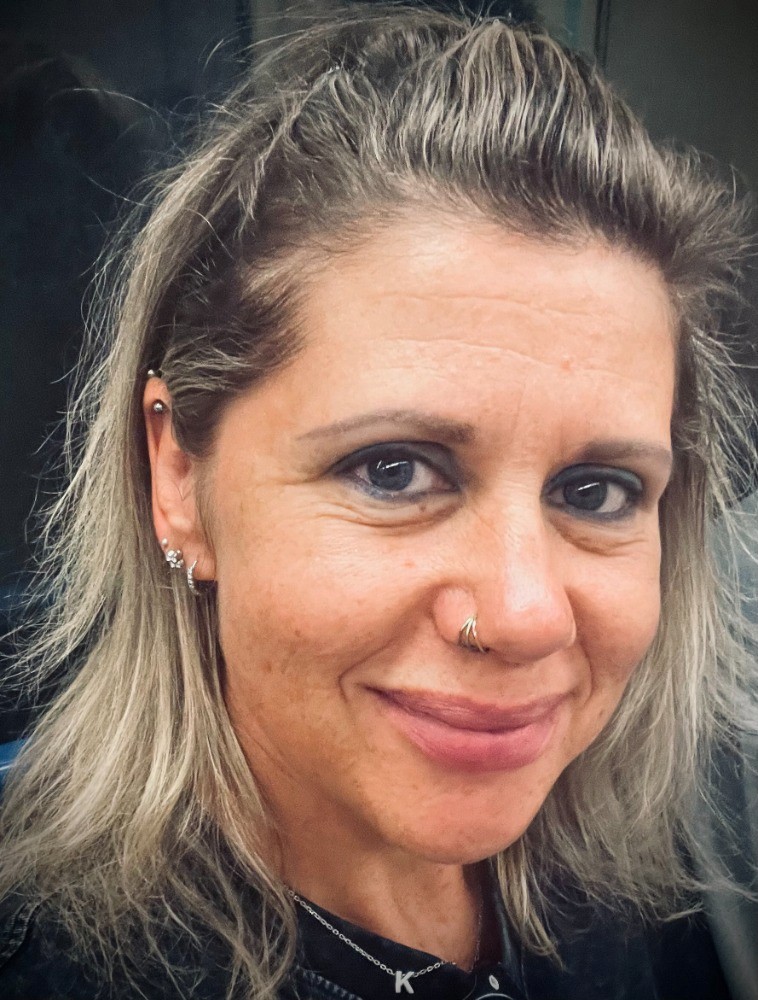
Katherine Billingham-Mohamed FCIPD, Wellbeing & Culture Strategist
I help organisations deliver brilliant performance by putting wellbeing at the heart of business strategy and how people lead, work and show up every day. After 25+ years in senior HR and operational leadership at Aviva, Ipsos, Ofcom, Greggs and Headspace, I’ve seen one truth repeated: when people thrive, organisations win. I don’t do surface-level wellbeing. I do commercial, insight-driven wellbeing that’s delivered award-winning strategies, cut absence by millions and lifted engagement by double digits. A TEDx speaker on mindset and achievement, I help leaders lead with compassion and courage.
You may also like: