Bedfordshire Police punches well above its weight when it comes to Employee Health & Wellbeing for its size as a Force, and has received various accolades to show for it. It’s also garnered much interest from other branches of the Police, keen to replicate its success.
We spoke to the man leading the charge on the health and wellbeing front – Ben Dimmock, Wellbeing Lead for Bedfordshire Police- about the challenges faced by the organisation and how they’ve been addressed.
The challenge:
Policing places significant mental, emotional, and physical demands on officers and staff, many of whom are routinely exposed to traumatic incidents and high-pressure situations.
“Repeated exposure to trauma can significantly affect psychological wellbeing if organisations do not intervene early,” says Inspector Dimmock.
Historically, another challenge across policing has been the culture of silence surrounding mental health, where many officers felt unable to speak openly until they had reached crisis point or burnout.
The turning point:
Inspector Dimmock’s own experiences with mental health challenges earlier in his policing career helped shape his passion for improving wellbeing support across the organisation.
“I struggled with my mental health privately for a long time. Looking back, if I had opened up earlier and accessed support sooner, I probably would not have become so unwell,” he says.
“At the time, there was a genuine fear amongst many officers that speaking openly about mental health could negatively affect perceptions of competence or career progression.”
Following his experiences, Inspector Dimmock became increasingly involved in wellbeing and culture work within policing, ultimately contributing to the development of Bedfordshire Police’s full-time Wellbeing Team five years ago.
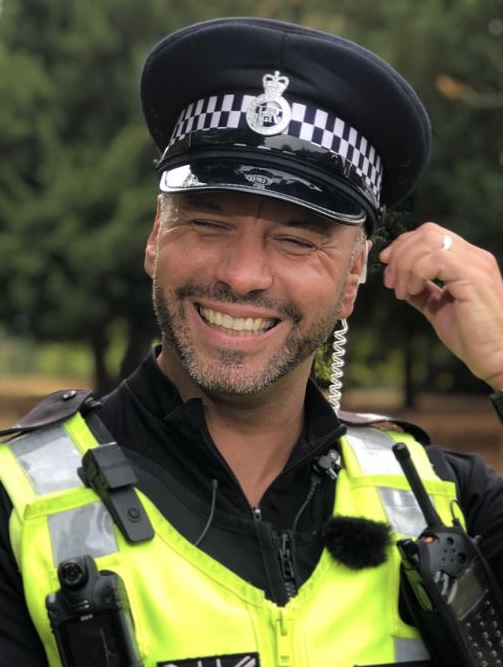
Inspector Dimmock
Strategy to address these challenges:
Creation of a Wellbeing Department
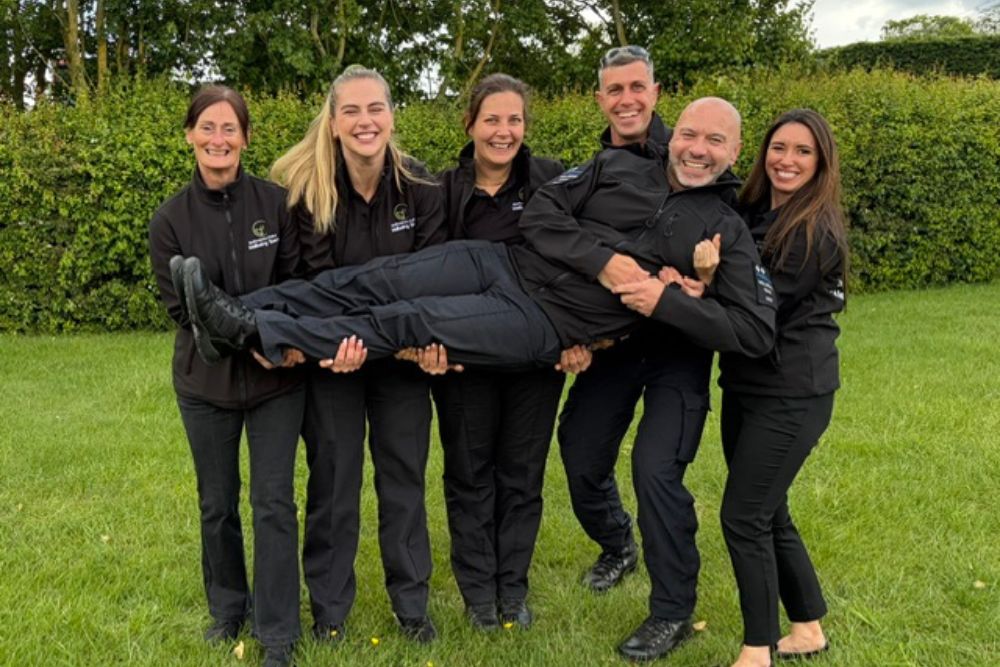
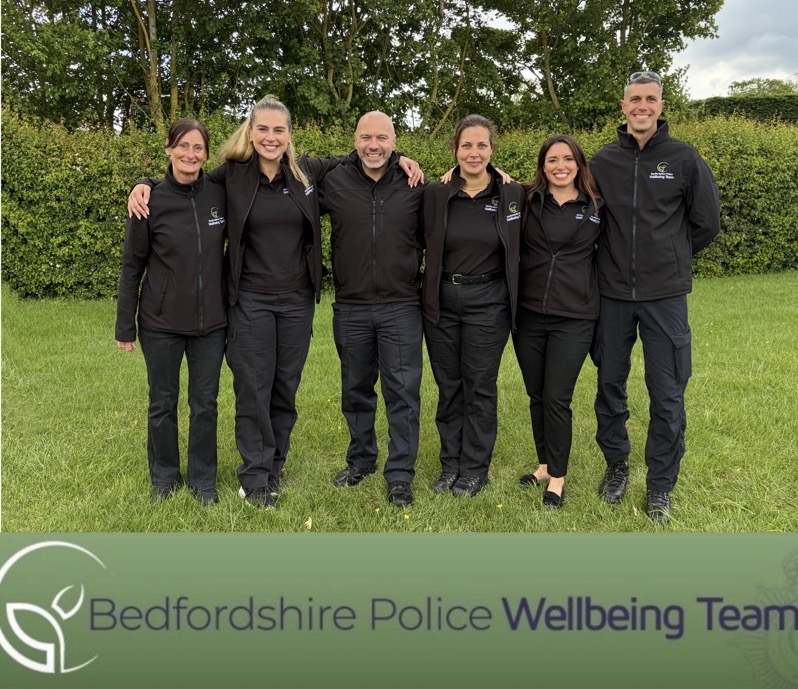
Bedfordshire Police now has a dedicated full-time Wellbeing Team consisting of six staff, led by Ben Dimmock at Inspector level.
The team delivers a wide range of proactive wellbeing initiatives including wellbeing training, resilience sessions, fitness bootcamps, mindfulness sessions, walk-and-talks and team-based interventions.
“Wellbeing has to be embedded into everyday policing culture. That means having a proactive team that is visible, approachable, and engaged across the organisation,” says Inspector Dimmock.
Creation of a Peer Support Network
The force has also developed a Peer Support Network of almost 160 trained peer supporters spanning nearly every department across the organisation.
Employees are introduced to the network during onboarding and leadership training, helping normalise conversations around wellbeing from the very beginning of service.
“The network is intended to encourage earlier conversations and help people feel supported before they reach crisis point,” says Inspector Dimmock.
Appointment of Welfare Support Officers
Bedfordshire Police has also introduced a network of 45 Welfare Support Officers coordinated by the Wellbeing Team, specifically trained to support officers and staff who are subject to misconduct investigations or organisational processes. In addition, victims and witnesses.
The role was developed in recognition of the significant psychological vulnerability that can arise when individuals are under investigation, with national policing data highlighting the wellbeing risks associated with such processes.
Appointment of Family Support Officers
Building upon the Welfare Support Officer programme, the Wellbeing Team also developed Family Support Officers to provide wider wraparound support to families navigating the impact of investigations and organisational stress.
“We know policing trauma does not stay solely within the workplace. Families often carry the emotional impact too, so this support is about helping the whole family navigate difficult periods together,” says Dimmock.
Focus on Financial Wellbeing
Recognising the growing pressures around cost of living and financial stress, particularly amongst younger in-service officers and staff, the Wellbeing Team along with the Federation has also increased its focus on Financial Wellbeing support and signposting.
This includes access to welfare funds, financial guidance, and additional support pathways for those experiencing crisis.
“Financial stress can significantly affect resilience, concentration and wellbeing both personally and professionally. If we can help people feel more stable and supported financially, that has a positive impact across many areas of their lives,” says Inspector Dimmock.
Focus on Trauma Support
Bedfordshire Police has recently introduced a Trauma Tracker for Patrol Response Officers, allowing officers to record exposure to traumatic incidents so supervisors can identify patterns of cumulative exposure and conduct earlier welfare check-ins.
“The aim is to encourage earlier conversations and proactive support before issues escalate,” says Inspector Dimmock.
Officers can also self-refer or be referred into the force’s TRiM (Trauma Risk Management) process, alongside counselling and psychological support services available through the organisation.
Visibility and communication
Inspector Dimmock also uses social media platform LinkedIn to encourage wider conversations around policing wellbeing, leadership and psychological safety.
He has become known for candid and thought-provoking posts exploring topics such as burnout, cumulative trauma, leadership pressures and creating healthier workplace cultures within policing.
“If one person, one supervisor or one leader changes the way they support their people because of something they’ve read, then that’s how culture gradually shifts,” he says.
Barriers and obstacles:
Stigma
While significant progress has been made, Inspector Dimmock believes stigma around mental health and vulnerability still exists across policing, particularly within leadership roles.
“I believe many leaders still feel uncomfortable speaking openly about vulnerability or mental health because there remains a perception that resilience means coping silently,” he says.
The Wellbeing Team actively works with leaders across the organisation to encourage openness, psychological safety and healthy conversations around wellbeing.
Time pressures
One of the most common barriers raised by supervisors and line managers is time pressure and workload demand.
Inspector Dimmock acknowledges these challenges but believes meaningful wellbeing conversations do not always need to be lengthy or formal.
“Time pressures within policing are very real, but sometimes a simple five-minute check-in can make a significant difference to how supported somebody feels,” he says.
“I always say that wellbeing cannot sit solely with a wellbeing team. Leadership culture matters enormously. If people do not feel psychologically safe enough to speak up when they are struggling, vulnerable or have made mistakes, then organisations risk problems escalating silently.”
Results and impact:
The Wellbeing Team provides monthly reporting to Bedfordshire Police’s Executive Team and Strategic Wellbeing Boards to help monitor organisational themes, risks and intervention demand.
The team currently supports approximately 80–100 wellbeing interventions each month, ranging from trauma support and general welfare concerns through to financial wellbeing, and misconduct support.
The force has also seen increasing engagement with peer support, proactive wellbeing initiatives and organisational conversations around psychological safety and early intervention.
Inspector Dimmock says repeat engagement with the wellbeing service is viewed positively.
“For the last measured month, around 50% of interventions were repeat engagements. For us, that demonstrates growing trust and confidence in the support available.”
Future vision:
While significant progress has been made around reducing stigma and encouraging conversations, Inspector Dimmock believes there is still more work to do.
“I recently met with a cohort of student officers who said they still sometimes feel it is safer to stay silent than speak up if they are struggling. That was a reminder that while progress has absolutely been made, culture change takes time and continued effort,” he says.
For Inspector Dimmock, the future focus remains centred on earlier intervention, proactive leadership and continuing to normalise conversations around wellbeing across all levels of policing.
The team also continues to explore creative engagement initiatives to encourage conversations around wellbeing in informal and approachable ways.
“Sometimes wellbeing conversations begin through small moments of connection. The important thing is creating environments where people feel safe enough to talk.”
Biggest bit of advice:
“Line managers are incredibly important. When leaders genuinely know their people, they create environments where individuals feel psychologically safe, supported and able to perform at their best.”
You might also like: