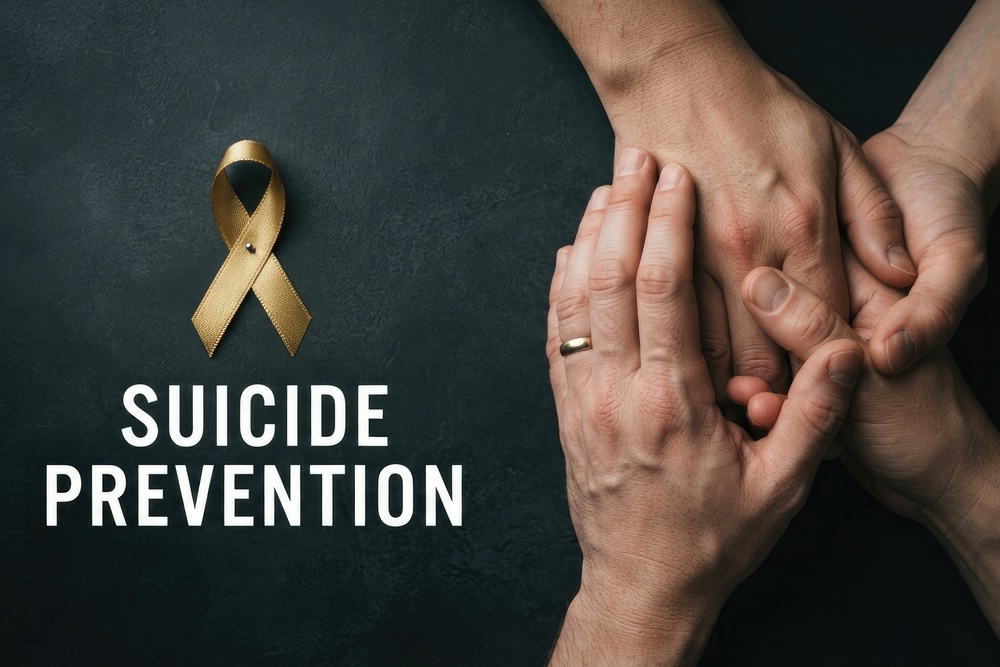
The closure of youth suicide prevention charity Papyrus, just days before World Suicide Prevention Day, has prompted an outpouring of grief and concern across the mental health sector – and renewed questions about how vital services are funded.
The closure has brought greater attention to the importance of suicide prevention at a particularly important moment.
Papyrus, which has worked to prevent young suicide for almost 30 years, has gone into administration following what its board described as an “extended and extremely difficult period”.
The charity said it had explored changes to its operating model, cost reductions and the possibility of transferring services to other organisations. But against a backdrop of rising demand, increased trading costs and a reduction in reliable funding across the sector, it concluded it could no longer continue operating.
The immediate closure also means the loss of HOPELINE247, Papyrus’s dedicated round-the-clock suicide prevention helpline.
The timing is particularly poignant, coming immediately before World Suicide Prevention Day on 10 September – a day intended to focus global attention on preventing deaths by suicide and strengthening support for those at risk.
“The pressure doesn’t disappear”
The closure has prompted widespread concern about what happens when a specialist service disappears at a time of increasing demand.
Commenting on LinkedIn, Alice Hendy MBE, CEO and founder of Ripple Technology, described the news as “devastating”, highlighting the loss of a service that had supported young people for decades.
She warned that while some people seeking support may turn to other organisations, including Samaritans, CALM and Shout, the closure will inevitably place further pressure on services that are already supporting large numbers of people.
“Some of it will move to Samaritans, to Campaign Against Living Miserably, to Shout UK, but a lot of it won’t move anywhere,” she wrote. “It will mean people in crisis will sit for longer on hold, or have their mental health needs unmet altogether.”
That concern has been echoed by Samaritans and Shout themselves.
Responding to the closure, Julie Bentley, CEO of Samaritans, said Papyrus had provided “vital support to people at some of the most difficult moments in their lives” and warned that demand does not simply disappear when a service closes.
Instead, it falls on other organisations that are already working at or close to capacity.
A “concerning setback” for the sector
Also commenting on LinkedIn, Sarah McIntosh, Chief Executive of MHFA England, described the closure as “truly devastating”.
“For nearly 30 years the charity has played a vital role in suicide prevention supporting young people and their families,” she wrote.
But she also highlighted a wider issue facing the mental health and charity sectors.
“Demand for mental health and suicide prevention support is increasing at a significant rate and yet the sector is facing some of the biggest funding and financial challenges ever.”
It is a concern reflected in Papyrus’s own explanation for entering administration.
The charity cited the combination of rising demand, increased costs and reduced reliable funding across the sector – a difficult equation that will be familiar to many charities delivering essential services.
“This is more than just another sign of a collapsing third sector”
For many people, Papyrus was not simply another charity.
Alex Bennett, Growth Lead at Mindflick and advisor at Siguru AI, shared on LinkedIn the personal impact the organisation had had on his own family, which had raised almost £20,000 for the charity following the death of his younger brother in 2018.
“This is more than just another sign of a collapsing third sector,” he wrote. “Papyrus was a critical resource that the NHS utilised.”
“With so many state services underfunded, charities are a literal lifeline. But they can disappear in an instant.”
That sense of disbelief has also been expressed by 3 Dads Walking, whose founders have raised more than £1.5 million for Papyrus after each losing a daughter to suicide.
The group described the closure as “the loss of a service that has been helping to keep young people alive” and questioned how such an essential service could remain dependent on charitable fundraising.
A loss that comes at a critical moment
The closure of Papyrus is, first and foremost, devastating news for the young people, families, staff, volunteers and supporters connected to the charity.
But it is also a stark reminder of the fragility of a system in which charities often provide specialist support that people may struggle to access elsewhere.
As Samaritans and Shout put it in their response to the closure: “Demand does not disappear when a service closes or reduces provision.”
That is perhaps the question that should concern all of us in the days leading up to World Suicide Prevention Day.
If demand for suicide prevention support is growing, and specialist services are struggling to survive, what happens when the organisations people rely on are no longer there?
The legacy of Papyrus will be measured in the lives it has touched and the decades it has spent campaigning, educating, training and supporting young people.
But its closure should also serve as a warning.
Vital services cannot be taken for granted.
If you or someone you know needs urgent support, Samaritans can be contacted free, 24 hours a day, on 116 123. Shout can be reached by texting SHOUT to 85258. In an emergency, call 999.
You might also like: