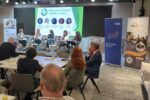
Our Make A Difference webinar, “Closing the SME Health and Wellbeing Gap: From Good Intentions to Real-World Impact,” with the support of EGYM-Hussle, brought together a notably diverse audience. While the session was designed with SMEs in mind, it was particularly interesting to see strong participation from larger organisations as well – highlighting just how universal this challenge has become.
Polling during the session revealed a broad mix of attendees:
- 65% from organisations with fewer than 250 employees
- 16% from mid-sized organisations (250–1000 employees)
- 19% from large employers with over 1000 employees
This distribution set the tone for a discussion that resonated across organisational sizes. Larger employers weren’t just observing – they were actively looking to learn from SME innovation and agility.
The reasons attendees gave for joining offered further insight into where organisations currently are on their employee health and wellbeing journey. Some were looking to better understand flexible benefits, while others wanted practical examples to share within SME networks or local authorities. There was also clear demand for ideas that go beyond traditional offerings, with attendees keen to explore initiatives that deliver real impact rather than relying on standard solutions.
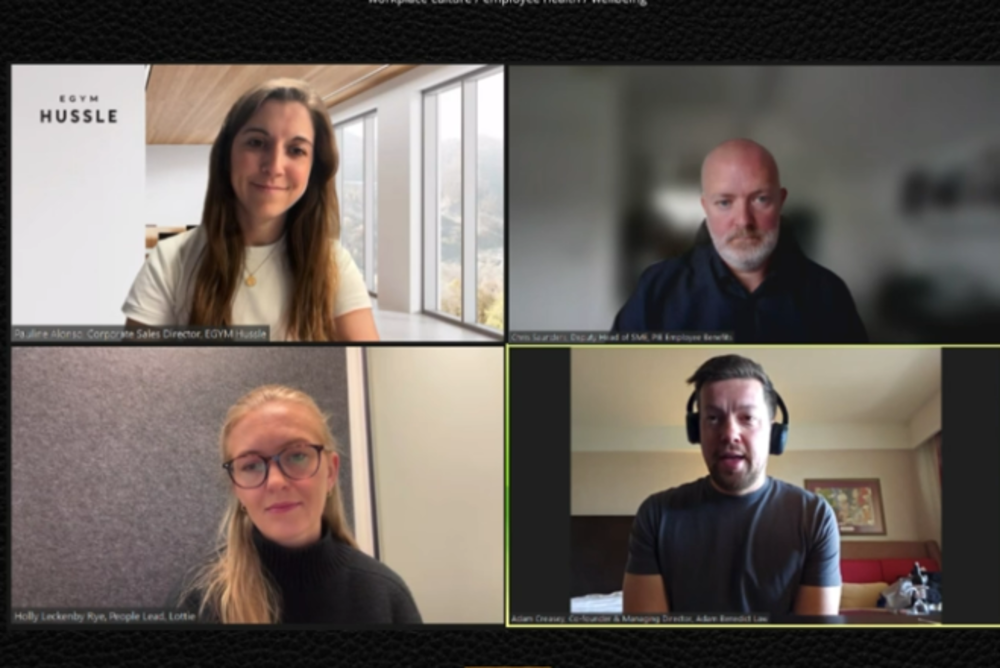
This webinar was packed with tips including insights from Adam Creasey, the Founder of award-winning legal firm Adam Benedict setting a new precedent for people-first cultures in a sector traditionally driven by billable hours and heavy workloads, Holly Leckenby Rye, the People Lead of Lottie, who has embedded flexible working along with health and wellbeing benefits into the company’s EVP, Chris Saunders, from cross-sector Broker PIB Employee Benefits, all guided by EGYM-Hussle’s Pauline Alonso.
It’s definitely worth watching. You can access the recording here.
The SME wellbeing paradox: intent vs execution
A central theme throughout the webinar was the persistent gap between intention and execution when it comes to employee health and wellbeing.
Research shared during the session highlighted a striking disconnect:
- 92% of SME leaders say wellbeing is critical for retention
- 71% report rising burnout and absenteeism
- Nearly one-third of SMEs offer no benefits beyond the legal minimum
Set against the backdrop of over £100 billion in annual costs linked to sickness absence, the urgency is clear. Employers understand the importance of wellbeing – but many are still struggling to translate that intent into meaningful, consistent action.
What’s holding SMEs back?
The discussion identified three key barriers that continue to prevent progress.
- The fairness gap: Hybrid and distributed teams make it difficult to offer benefits that feel equitable, particularly when perks are tied to specific locations.
- The “HR of one” challenge: Many SMEs simply don’t have the time or resource to manage complex benefits schemes.
- Cost pressures: Smaller organisations often feel priced out of traditional corporate wellbeing models.
Together, these challenges highlight why a one-size-fits-all approach no longer works, particularly in a diverse SME landscape.
Real-world solutions: what leading SMEs are doing differently
Despite these obstacles, the webinar showcased organisations that are successfully closing the gap -demonstrating that impactful wellbeing strategies are achievable without corporate-scale resources.
1. Embedding wellbeing into business strategy
One of the clearest messages was that health and wellbeing must be treated as a core business priority, not a bolt-on initiative. This means rethinking how work is structured and ensuring that systems, processes and leadership behaviours actively support employee health.
Examples shared included:
- Redesigning roles to reduce unnecessary workload and stress
- Moving away from outdated productivity models
- Using technology to improve efficiency and free up time
This shift reflects a move from reactive support to proactive prevention.
2. Flexibility is no longer optional
Flexibility has become a defining feature of effective health and wellbeing strategies. This goes beyond hybrid working to include flexibility in how benefits are designed and delivered.
Key themes included:
- Greater autonomy over working patterns
- “Work from anywhere” approaches
- Flexible benefits that employees can tailor to their needs
With 72% of employees wanting more choice in their benefits, but only 8% currently having it, there is a significant opportunity for organisations to evolve.
3. Personalisation drives engagement
Rather than offering a fixed set of benefits, leading employers are focusing on personalisation – giving employees more control over what support looks like for them.
In practice, this includes:
- Asking employees directly what they value
- Offering wellbeing allowances instead of rigid packages
- Designing benefits that adapt across different life stages
This approach helps ensure that benefits are not only available, but actually used and appreciated.
4. Culture matters more than cost
A particularly important takeaway was that effective health and wellbeing strategies don’t have to be expensive. While budget can be a factor, many high-impact initiatives are rooted in culture rather than cost.
Low-cost, high-impact actions include:
- Creating psychologically safe environments
- Encouraging regular check-ins and open conversations
- Setting clear boundaries around workload and time off
- Supporting peer-led wellbeing activities
These cultural foundations often determine whether benefits succeed or fail.
5. Financial wellbeing is a growing priority
Financial wellbeing is increasingly recognised as a critical part of the overall employee experience. Many employees are seeking support in this area, yet provision remains limited.
The webinar highlighted that:
- A significant proportion of employees want help with both short-term and long-term finances
- Only a small percentage of SMEs currently offer structured financial support
Forward-thinking organisations are responding with initiatives such as financial education, salary transparency and salary sacrifice schemes – helping to reduce stress and improve overall wellbeing.
What larger organisations can learn
While SMEs often operate with fewer resources, some are proving to be highly innovative in their approach to workplace culture, employee health and wellbeing. Their ability to act quickly, listen to employees and embed change into everyday practices offers valuable lessons for larger organisations.
Key takeaways for corporates include:
- Start with employee needs, not pre-defined solutions
- Build flexibility into benefits and policies from the outset
- Focus on communication and accessibility
- Treat health and wellbeing as a strategic driver of performance
There was also a strong message around extending this thinking beyond internal teams, particularly when working with SME partners and supply chains.
From perks to performance: the shift to prevention
Across organisations of all sizes, there is a clear shift underway – from reactive wellbeing support to a more preventative approach.
This includes:
- Encouraging physical activity and healthy habits
- Designing work in ways that reduce stress and burnout
- Embedding wellbeing into leadership and culture
With evidence suggesting a £4 return for every £1 invested, the case for action is compelling—but success depends on how effectively strategies are implemented.
Final takeaway: start simple, act now
The overarching message from the webinar was both practical and encouraging. Organisations don’t need perfect solutions or large budgets to make progress – they simply need to start.
Small, meaningful changes—whether through improved communication, greater flexibility or more inclusive benefits—can have a significant impact over time. As the examples shared throughout the session demonstrated, high performance and employee wellbeing are not competing priorities. They are deeply interconnected.
You might also like: