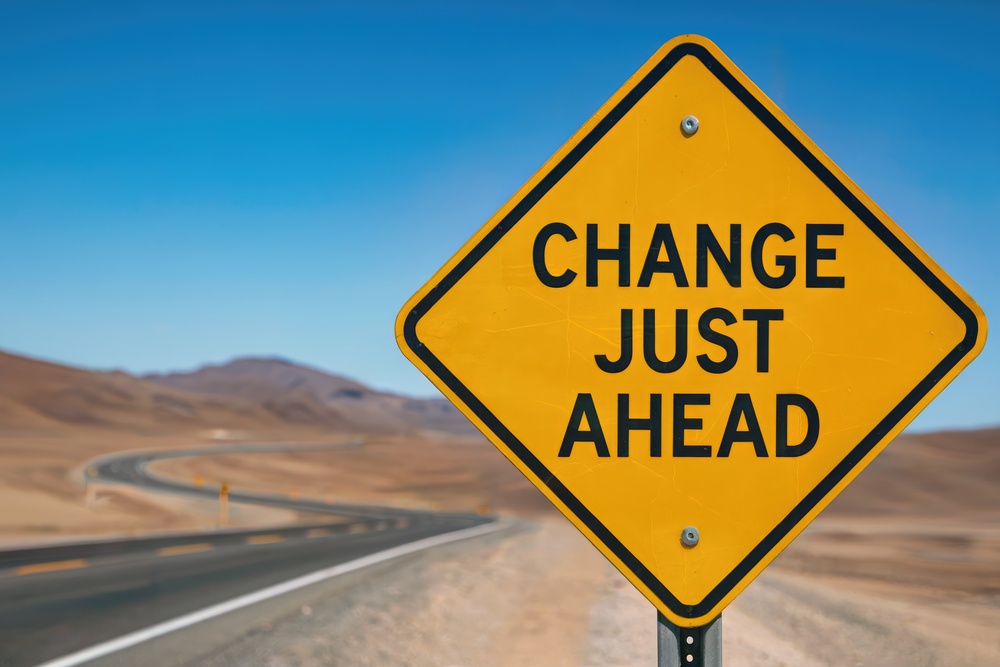
Most organisations are facing constant change. AI is reshaping roles and workflows. Teams are adapting to new technologies, new structures, new expectations, hybrid working, return-to-office conversations and increasing pressure to perform with limited capacity.
Yet many organisations still focus far more on the technical side of change than the human side. They create project plans, timelines, governance structures, communication updates and implementation milestones. These are all important, but they do not guarantee that people will understand, accept, adopt or sustain the change.
The real question for leaders is not simply, “Is the change on track?” It is, “Are our people equipped to move through this change well?”
Change fails when people are not supported
Most change initiatives are really people initiatives. A new system only works if people use it properly. A new structure only works if people understand how to operate within it. A wellbeing strategy only works if habits, behaviours and conversations change. A leadership development programme only works if managers lead differently afterwards.
This is where many organisations struggle. They design the change, announce the change and track the change, but do not always give enough attention to how people are experiencing it. People may be unclear about why the change is happening. They may not understand what it means for them. Managers may not feel confident answering questions or handling resistance. Teams may feel that change is being done to them rather than with them.
When this happens, resistance, disengagement and fatigue can build quickly.
The human effort of change
Change asks a lot of people. It asks them to learn new skills, let go of familiar routines, rethink how they work, adapt to new expectations and maintain performance while doing so. Individually, each change may seem reasonable. Collectively, the effort can become exhausting.
This is why labelling people as “resistant to change” is often too simplistic. What looks like resistance may actually be confusion, fatigue, lack of confidence, poor communication or a very human response to being asked to adapt again.
Successful change management recognises this. It does not treat people as obstacles to implementation. It treats them as the central factor in whether the change will succeed.
Leaders and Managers Are the Difference
Employees rarely experience change through a strategy document. They experience it through their day-to-day conversations, team meetings, workload, priorities and relationship with their manager. This makes leadership capability critical.
Managers need to be able to explain why change is happening, listen to concerns, create clarity where possible, acknowledge what is difficult and help people understand what success looks like in practice. They also need support themselves. Too often, managers are expected to lead teams through change without enough clarity, confidence or preparation.
If managers feel uncertain or unsupported, that uncertainty quickly spreads through the team. Equipping leaders and managers to support change well is one of the most valuable investments an organisation can make.
What good change support looks like
Effective change management is not about forcing compliance. It is about creating the conditions for people to engage, adapt and perform through transition.
That starts with a clear story. People need to understand why the change matters, why now, what problem it is solving and what the organisation is trying to achieve. Without that clarity, people fill the gaps themselves, often with anxiety or assumptions.
It also requires involvement. Not every decision can be shared or shaped by everyone, but people can often be involved in how change is implemented. This creates ownership and helps leaders understand the practical reality of what the change will mean for different teams.
Managers need to be equipped before they are expected to support others. They need space to understand the change, ask questions, practise conversations and prepare for the emotional and practical responses their teams may have.
Finally, organisations need to build change readiness before the next major change arrives. Trust, communication, psychological safety, emotional intelligence, resilience and adaptability are not skills to start developing once pressure is already high. They need to be built beforehand.
As in sport, you do not wait until competition day to prepare. You sharpen the knife before the battle.
Change management is a wellbeing and performance issue
Change is not just an operational issue. It is a wellbeing and performance issue.
Poorly managed change can increase stress, damage trust, reduce engagement and lower productivity. Well-managed change can help people feel informed, involved, supported and more confident about what comes next.
For organisations focused on wellbeing, leadership and culture, this matters. Many of the challenges showing up as stress, burnout risk, disengagement or retention issues are often connected to how change is being experienced. Supporting people through change is therefore not a soft extra. It is core to helping people and organisations perform well.
How Ridgeflow Performance can help
Through Ridgeflow Performance, I help organisations support the human side of change in practical, measurable ways. This includes training leaders and managers to guide their teams through change, consulting with organisations on how to manage the full change process, and developing data-driven wellbeing strategies focused on team performance.
This support can be useful when organisations are introducing new systems or technology, navigating restructures, growing quickly, managing return-to-office expectations, embedding new leadership behaviours, improving culture, or trying to reduce stress, disengagement and change fatigue across teams.
It can also help when an organisation knows something needs to change, but is not yet clear whether the issue is workload, communication, leadership capability, team culture, wellbeing, or performance. In these situations, Ridgeflow Performance helps teams understand what is really going on, identify the behaviours that need to shift, and build a practical plan to support sustainable change.
Because if organisations want change to land well, they need to invest not only in the plan, but in the people expected to bring that plan to life.
About the author:

Khalil Rener is the founder of Ridgeflow Performance and a top-tier leadership consultant, performance coach, and wellbeing expert. With a BSc and MSc in Sport and Exercise Science from Loughborough University, his work focuses on applying the principles of elite sport to help people and teams thrive at work. Khalil has supported organisations including DP World, Novartis, the NHS, Deloitte, NatWest, Sport England, and many more—from global companies to schools, councils, and frontline teams. His breadth of experience spans industries, team sizes, and career stages, from senior leaders to students and early-career professionals.
You might also like: