As explored in our previous article on Mental Health Awareness Week, many consultants, strategists and workplace wellbeing experts believe the biggest improvements in employee mental health come from systemic change: better leadership, healthier workloads, psychological safety, stress risk management and stronger organisational cultures.
But alongside those broader strategic conversations, another interesting theme has emerged this week from wellbeing leaders working directly within organisations themselves.
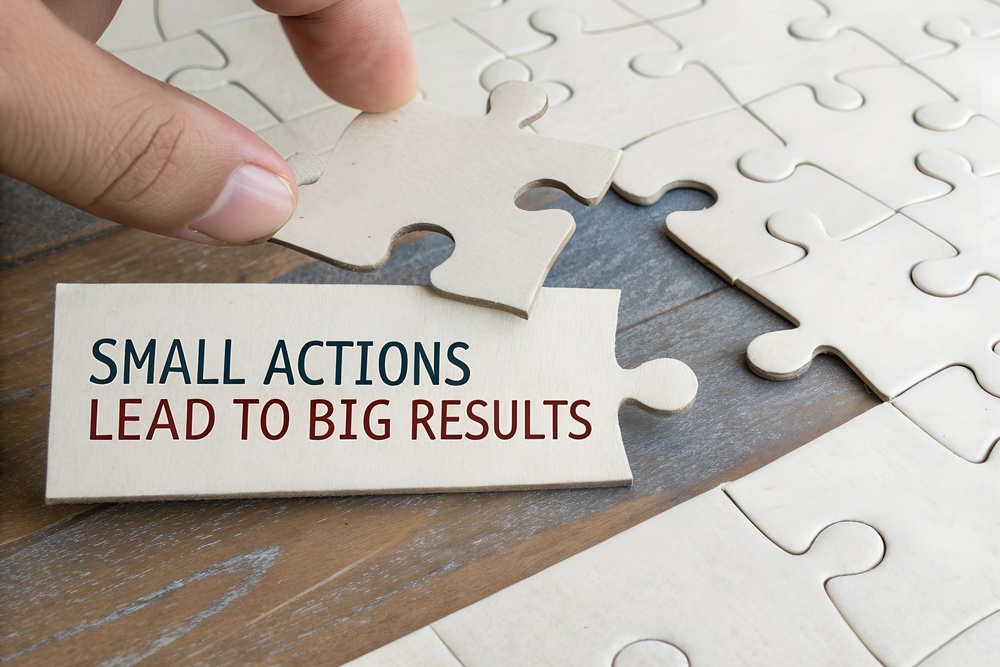
While recognising the importance of long-term culture change, many remind us of the surprisingly powerful impact of small, everyday actions.
Whether it is creating safe spaces for conversations, encouraging colleagues to notice when someone may be struggling or simply normalising human connection at work, these leaders argue that meaningful support for mental health is often built through consistent behaviours rather than headline initiatives alone.
As Mental Health Awareness Week continues with its 2026 theme of “Take Action”, three wellbeing leaders – from Admiral Group, Deutsche Bank and Deloitte – shared on LinkedIn particularly powerful perspectives on the actions they believe are making a difference to mental health at work.
Creating safe spaces for mental health conversations
One recurring theme this week has been the importance of creating workplace environments where people feel genuinely safe speaking about mental health.
Jemma Croft, who works as a People Advisor, Health & Wellbeing within a wider team at Admiral Group, highlighted the organisation’s growing network of Mental Health First Aiders and the role they play in reducing stigma and encouraging open conversations.
Reflecting on the future of workplace wellbeing support, Croft explained that Mental Health First Aiders form one important thread within a wider culture strategy.
She shared:
“At any level, in any department, you can be part of a culture that helps end the stigma around poor mental health, encourages open conversations and influences our future mental health and wellbeing strategies.”
The Admiral post she referenced reinforced a particularly important point for employers:
“Supporting mental health at work starts with having an environment where people feel safe to talk.”
That idea increasingly sits at the heart of many workplace health and wellbeing strategies. While access to support services remains important, organisations are recognising that employees are far less likely to seek help unless psychological safety already exists within the culture.
Importantly, Admiral’s approach also highlights the growing role of peer support networks in workplace wellbeing. Mental Health First Aiders may not replace clinical expertise, but they can help employees feel heard, reduce isolation and signpost colleagues towards appropriate support earlier.
The power of small, everyday actions
Nasrin Oskui, Global Head of Wellbeing at Deutsche Bank, deliberately reframed this year’s Mental Health Awareness Week campaign away from theory and towards practical action.
“The theme this year is Action,” she wrote. “Not awareness. Not good intentions. Action.”
Oskui explained that colleagues across the bank had been invited to share one action that had genuinely helped themselves or others.
Her message reflected a growing understanding within workplace wellbeing that sustainable culture change often happens through small, repeatable behaviours rather than one-off campaigns.
A video accompanying Deutsche Bank’s campaign emphasised this point further:
“Small actions matter more than we realise.”
Across the organisation, colleagues are taking part in around 20 employee events during Mental Health Awareness Week, creating opportunities to learn, connect and talk openly about mental health.
But perhaps the most powerful element of the campaign is its simplicity.
Rather than positioning mental wellbeing support as something complicated or specialist-led, the campaign encourages employees to pause and take one small action — whether for themselves or someone else.
That could mean:
- Checking in with a colleague
- Encouraging healthier boundaries
- Taking proper breaks
- Listening without judgement
- Starting a conversation
- Signposting someone towards support
The message resonates because it feels achievable.
In many workplaces, employees already understand that mental health matters. The bigger challenge is helping people feel confident enough to act in small but meaningful ways every day.
Why noticing matters
One of the most personal and powerful contributions this week came from Gabby Foley, Head of Wellbeing at Deloitte.
Sharing a deeply moving story from earlier in her career, Foley described how a colleague’s compassion during a period when she was living with anorexia became a turning point in her recovery.
At the time, she said, she appeared outwardly to be coping — but she was not.
What made the difference was not specialist expertise or a formal intervention. It was a colleague noticing that something was wrong, sitting with her and helping her reach out for support.
Years later, Foley says that moment continues to shape both her leadership approach and her commitment to workplace wellbeing.
Her reflections underline a crucial truth often overlooked in corporate wellbeing conversations: people do not always remember policies or campaigns, but they do remember how others made them feel during difficult moments.
Foley’s post also reinforces a broader shift taking place within workplace wellbeing strategy.
Increasingly, organisations are recognising that wellbeing is not separate from work itself. It is influenced by leadership behaviours, team dynamics, inclusion, workload, relationships and everyday interactions.
As Foley explained:
“At Deloitte, we believe wellbeing is an outcome of how we work, support, lead, and connect.”
Mental health at work is becoming everybody’s business
Taken together, the conversations shared during Mental Health Awareness Week point towards a more mature and human-centred approach to workplace mental health.
There is growing recognition that meaningful progress is unlikely to come solely from standalone wellbeing initiatives or awareness campaigns.
Instead, organisations appear to be making the biggest difference when they focus on:
- Building psychologically safe cultures
- Equipping employees to support one another
- Encouraging early conversations
- Creating visible leadership support
- Embedding wellbeing into day-to-day working practices
- Making small actions feel normal and accessible
Importantly, none of these actions require perfection.
The common thread running through all three perspectives is the idea that support often begins with simple human behaviours: listening, noticing, checking in and creating spaces where employees feel safe enough to speak openly.
Mental Health Awareness Week may last only seven days, but the challenge facing employers is how to translate awareness into consistent action throughout the year.
Because as many wellbeing leaders are increasingly recognising, small actions – repeated consistently – can have a profound impact on how people experience work, wellbeing and belonging.
You can read the three full LinkedIn posts here:
You might also like: