Most organisations want to be as supportive as they can possibly be when it comes to neurodiversity at work.
Many are investing in awareness campaigns, inclusion initiatives, manager training and wellbeing strategies. Despite good intentions, we still see recurring challenges surfacing in workplaces – managers unsure what to say, performance concerns escalated too quickly, employees feeling they must mask their condition, and adjustments applied inconsistently.
That gap between employers’ intentions and the day-to-day experience of employees is often where the real problems start for organisations.
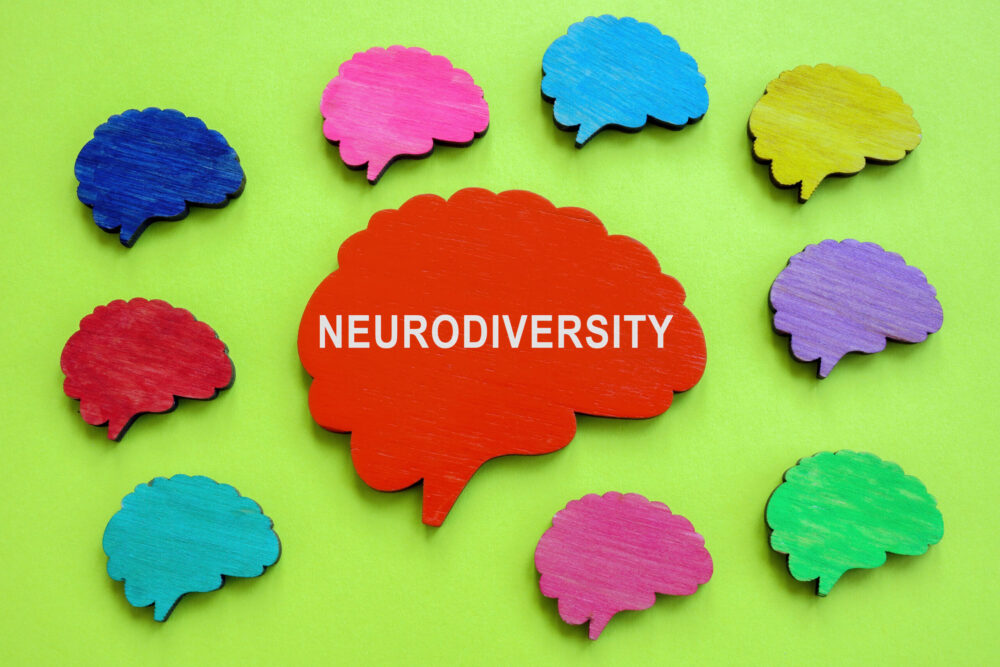
Neurodiversity isn’t just an inclusion conversation anymore. It sits at the intersection between workplace culture, employee wellbeing and legal risk. How organisations respond in practice, particularly through their managers, can be the difference between someone thriving at work or ending up in a grievance, sickness absence process or employment tribunal claim.
And with one in seven people in the UK now estimated to be neurodivergent, plus a significant increase in adults seeking assessments and support in recent years, the challenge for organisations isn’t simply awareness. It’s turning awareness into meaningful, practical support.
Where organisations get it right (and wrong)
Policies don’t shape employee experience on their own, it’s how they’re applied in everyday interactions.
That’s particularly true with neurodiversity, where support often relies less on formal processes and more on whether managers feel confident opening conversations, recognising when something may be wrong, and responding appropriately.
Let’s imagine a few scenarios.
Scenario #1 – early conversations prevent bigger problems later
An employee begins struggling with deadlines and appears overwhelmed during meetings. Their manager notices the change and arranges a private conversation in a calm, neutral setting.
Rather than jumping straight to performance concerns, they ask open questions, listen carefully and explore what support might help with the issues they’re identified. The employee shares that they are awaiting an ADHD assessment and have been finding certain aspects of their workload difficult to manage.
Together, they agree some practical adjustments, including clearer prioritisation of tasks, written follow-up actions after meetings, more regular check-ins on priorities and greater flexibility around how their work is structured. The result is that stress levels reduce, performance improves, and the employee feels supported rather than scrutinised.
Importantly, issues are addressed early before they escalate into capability concerns, formal procedures or long-term absence.
This is often where organisations get neurodiversity support right – not through grand initiatives, but through managers creating an environment where employees feel safe and secure enough to have honest conversations before challenges begin to spiral.
Scenario #2 – performance management without understanding the cause
A different employee begins missing deadlines and struggles with their communication to colleagues and their manager. Concerns are raised informally several times before they are moved into a capability process.
The manager interprets the behaviour as disengagement or lack of effort, and assumptions begin to form around attitude and commitment. Occupational health advice is either not sought or only partially followed. Conversations become increasingly formal and defensive.
Eventually, the employee discloses that they are autistic and have been masking their difficulties for a considerable period of time. By this stage, trust has already broken down, stress levels are high, sickness absence follows, and a grievance is raised about how concerns were handled.
Legally, these situations can get complicated quite quickly. Neurodiverse conditions can amount to a disability for employment law purposes, meaning employers may have obligations to make reasonable adjustments and avoid discriminatory action (directly or indirectly).
Beyond the potential legal risk, there can also be a significant cultural and wellbeing impact. Employees who feel misunderstood or unsupported are far less likely to speak openly about challenges in future. Colleagues notice how situations are handled too, shaping whether they feel psychologically safe within the organisation themselves.
Scenario #3 – inclusion in theory, but not in practice
An organisation launches a neurodiversity awareness campaign during Neurodiversity Celebration Week. Training is rolled out and internal messaging promotes inclusion and education.
But in practice, managers haven’t been equipped to apply their learning day-to-day, adjustments are agreed inconsistently, inappropriate comments are dismissed as jokes, and neurodiverse employees feel pressure to “mask” behaviours to fit workplace norms.
The organisation believes it has created an inclusive culture because policies and awareness initiatives exist. What employees actually experience is something different entirely. Employees will quickly notice when inclusion exists more comfortably in communications than it does in everyday working life.
And increasingly, employment tribunals are scrutinising exactly that disconnect.
A recent tribunal decision highlighted the risks clearly. An employer obtained occupational health advice recommending neurodiversity training and practical support measures for an employee with ADHD. The training was only partially implemented, key managers didn’t attend, and the employee was later dismissed for performance concerns. The tribunal found the employer had failed in its duty to make reasonable adjustments. The takeaway wasn’t simply “provide training”. It was that employers need to meaningfully follow through on the support that’s been identified as necessary.
Why manager capability matters so much
Many managers worry about getting conversations around neurodiversity wrong. That’s understandable. Managers aren’t expected to be clinicians or medical experts. But they are often the first people employees turn to when they’re struggling, which means their confidence and approach matters enormously.
A supportive conversation handled well can reduce stress and anxiety, improve performance, avoid conflict escalating, and strengthen trust and engagement. Handled poorly, the opposite can happen very quickly.
Managers therefore need practical tools, not just awareness sessions. That includes understanding how to create the right environment for conversations, how to actively listen without making assumptions (no two experiences are the same), when to seek occupational health or medical support, and how to explore adjustments collaboratively rather than imposing solutions.
The most effective managers focus on supporting rather than “fixing”. Instead of assuming what someone needs, they create space for employees to explain what helps them work effectively and then they explore how they can reasonably make this happen in the workplace. That distinction matters because neurodiversity support is rarely one-size-fits-all.
One employee may benefit from greater structure and written instructions. Another may need reduced sensory distractions, more flexible routines or different communication methods. Needs can also change over time, which is why ongoing dialogue matters just as much as the initial conversation.
Small changes can have a significant impact
One of the biggest misconceptions around neurodiversity support is that adjustments need to be complex or expensive.
In reality, some of the most effective changes are relatively small. Providing meeting agendas in advance, following up meetings with written actions, reducing unnecessary background distractions, allowing flexibility in how tasks are completed, or creating quieter working spaces can all make a meaningful difference. Some employees may also benefit from mentoring or coaching support to help build confidence, organisation or time management strategies.
Importantly, many of these adjustments improve the working environment for everyone, not just neurodiverse employees.
That’s where neuro-inclusion becomes closely connected to wider workplace wellbeing and culture. Organisations that create clearer communication, more flexibility and psychologically safer environments often see broader benefits across engagement, retention and performance in their entire employee population.
From awareness to action
There’s no single policy or training session that “solves” neurodiversity inclusion. The organisations getting this right aren’t necessarily the ones with the most polished awareness campaigns or the longest policies.
They’re the ones equipping managers to respond confidently, creating environments where employees feel safe to speak openly, and embedding support consistently into day-to-day working practices. Inclusion isn’t built on intention alone – it’s through everyday interactions, conversations and decisions.
And increasingly, employees and Employment Tribunals, are paying close attention to the difference.
About the author:
Jess Tomkinson is an Employment Lawyer with Halborns
You might also like: