
Supporting neurodiverse employees through inclusive wellbeing design
The changing face of the workforce is impossible to ignore. With more employees entering work with formal neurodivergent diagnoses such as autism, ADHD, dyslexia, and

The changing face of the workforce is impossible to ignore. With more employees entering work with formal neurodivergent diagnoses such as autism, ADHD, dyslexia, and

Each November, World Diabetes Day shines a spotlight on one of the world’s most widespread and misunderstood health conditions. This year’s theme, “Diabetes and the

Across my career, from the Army frontline to boardrooms of global brands and professional services, one question has followed me everywhere: How do we build

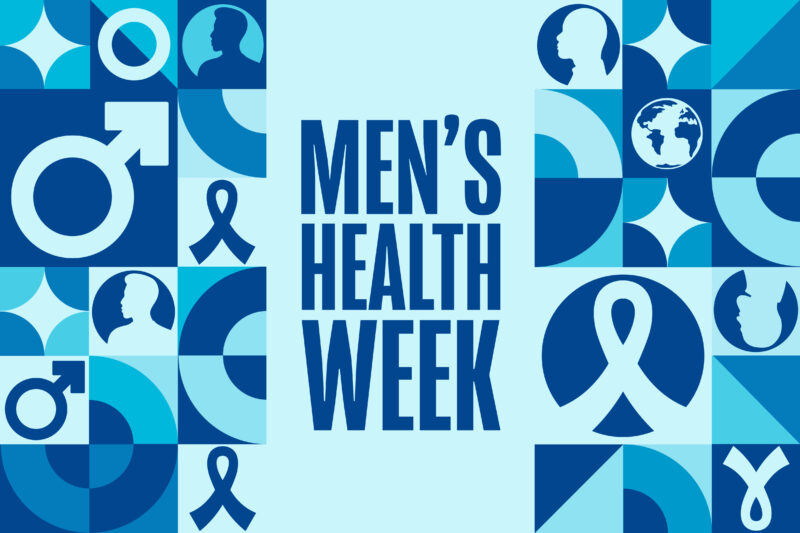
Every November, we see organisations rally behind men’s health – and that’s brilliant. But too often, the focus is still on crisis. Conversations about suicide

Poor psychological health costs the global economy an estimated US$1 trillion each year in lost productivity1. A major driver of this loss lies in unmanaged

In a world where burnout and chronic stress are driving record levels of long-term sickness absence, most workplace wellbeing strategies still focus on treatment rather

One in five men in the UK dies before the age of 65, most often from preventable causes such as heart disease, prostate cancer, lung

Let’s start with a question – why do we work? Well, the obvious answer may be we work for money. We work because it pays

Every leader faces moments that test both confidence and care. These can be when a colleague shares something personal, when performance is of concern or

At the Mad World Summit 2025, 95% of delegates believed wellbeing impact should be measured. If “wellbeing impact” means different things to HR, ESG, Finance
We use cookies to improve your experience on our site. By using our site, you consent to cookies.
Manage your cookie preferences below:
Essential cookies enable basic functions and are necessary for the proper function of the website.
Notifications