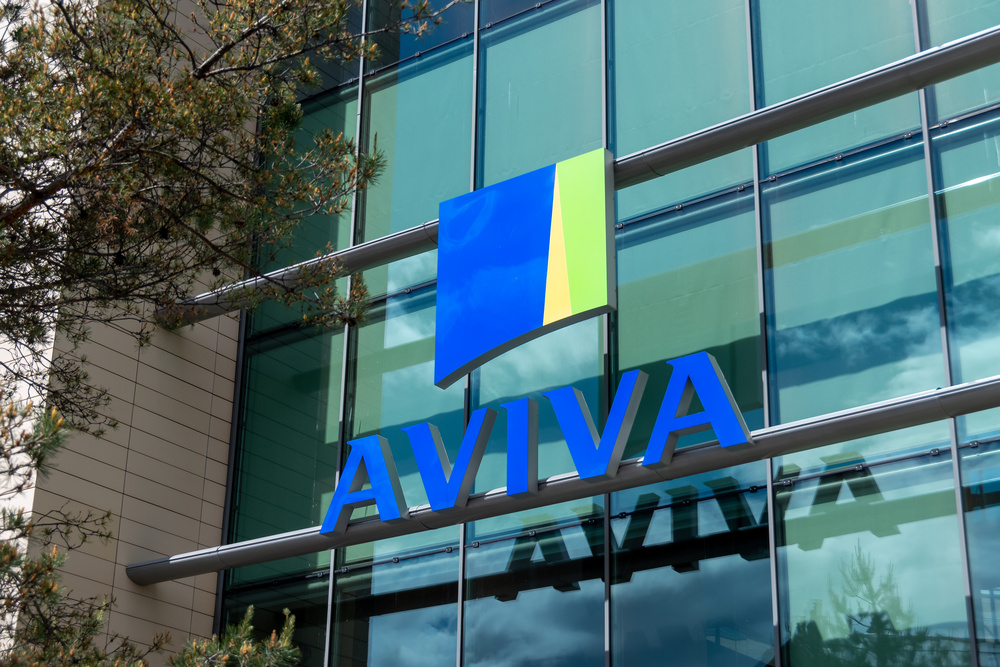
Aviva’s latest results offer an interesting reminder that even as AI transforms how work gets done, sustainable business performance still depends on the people behind the numbers.
Aviva has extended its record of strong, profitable growth, reporting a 24% increase in operating profit for the first half of 2026, alongside double-digit growth in operating earnings per share and an IFRS return on equity of more than 20%.
General Insurance premiums rose 29%, Wealth net flows increased 32% and the group added more than 250,000 customers over the past year. Retirement sales also grew at double-digit rates.
But alongside the numbers, Group CEO Dame Amanda Blanc put something else firmly in the spotlight: the contribution of Aviva’s colleagues.
“Behind every number in these results is a colleague making a difference for customers,” she said, thanking employees for their “commitment, skill and hard work”.
It is a relatively simple observation, but an important one for organisations navigating rapid technological and economic change. Growth may be measured in financial metrics, but it is delivered through people.
From culture of care to business performance
Blanc’s emphasis on colleagues is consistent with a wider approach to people and culture that Aviva has developed during her tenure as CEO.
The insurer describes wellbeing as a priority and takes a holistic approach spanning physical health, mental health, financial wellbeing and community. It also offers flexible working, paid carers’ leave and equal paid parental leave.
Its equal parental leave policy, introduced in 2017, gives parents 12 months’ leave, including six months at full basic pay, regardless of gender. Aviva reported in 2022 that more than 2,500 colleagues had taken the leave, almost half of them men.
The approach extends into employee-led communities, including networks supporting carers, gender parity, cultural diversity, disability and different generations.
Aviva is also proactive in its support of initiatives against harassment and domestic abuse – including economic abuse.
For Aviva, these policies are not presented simply as an employee benefits story. They form part of its ambition to create a high-performing, inclusive culture in which people can thrive and contribute.
That makes Blanc’s comments on the latest results particularly interesting: the culture and the commercial performance are being presented as connected rather than competing priorities.
AI is changing the work – but people remain central
Aviva is also betting heavily on technology and AI as part of its next phase of growth.
Blanc highlighted the company’s use of proprietary data and described its AI transformation as already well underway. The company says its scale and access to proprietary data give it an opportunity to invest, innovate and redeploy AI across the group.
The interesting question for employers is what happens alongside that technological transformation.
AI can automate tasks, accelerate processes and potentially free people to focus on higher-value work. But realising those benefits still requires employees who have the skills, confidence and capacity to work differently.
That makes Blanc’s acknowledgement of colleagues particularly relevant. Technology may change the operating model, but it does not remove the human contribution behind performance.
A useful lesson for employers
Aviva’s results offer a useful lens for any organisation trying to reconcile productivity, technology and employee wellbeing.
The message isn’t that employers should choose people over technology. Rather, it is that the strongest business case for technology may depend on how effectively organisations invest in the people expected to use it.
That means considering how roles change alongside AI, giving employees the skills and support to adapt, and maintaining the cultural conditions that enable people to perform sustainably.
Aviva’s own trajectory illustrates the potential of bringing those strands together: a clear focus on commercial performance, continued investment in technology, and a culture in which colleagues are explicitly recognised as central to delivering the results.
As Blanc put it when looking beyond Aviva’s current three-year targets, the group has “full conviction in sustaining strong earnings growth beyond them”.
For employers watching how work evolves, the bigger question may be what sits behind that growth: not simply better technology, but the people, culture and conditions that allow technology to deliver its full value.
You might also like: