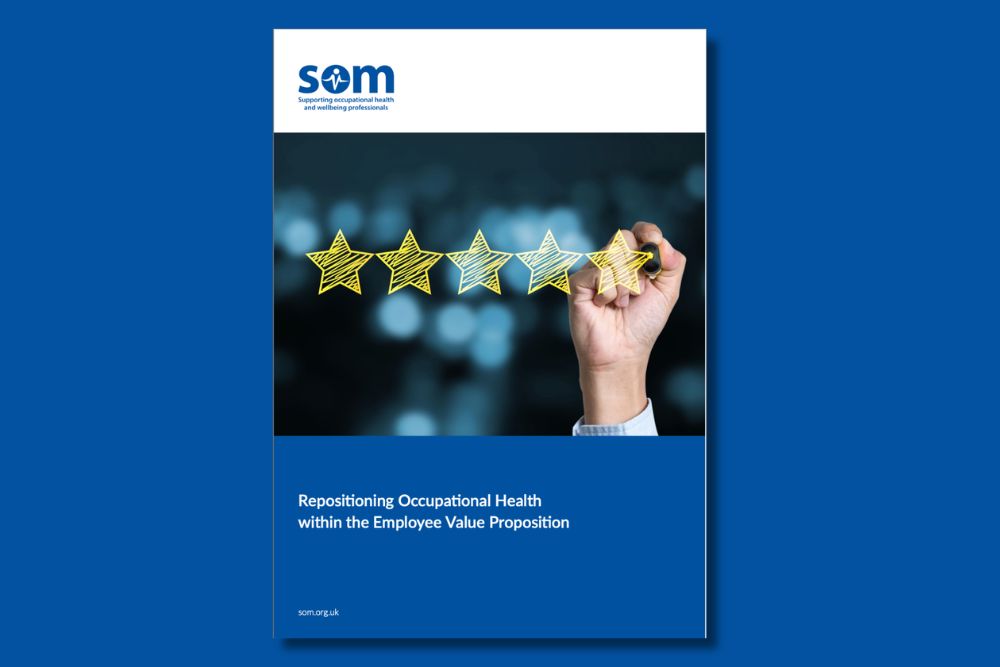
A new guide is urging employers to rethink the role of occupational health (OH), arguing that it should be positioned as a strategic part of the employee value proposition (EVP) rather than a reactive or compliance-driven service.
The report comes at a particularly timely moment for employers grappling with rising levels of long-term sickness absence and worsening health among the UK’s working-age population.
Yet many organisations still struggle to realise the full value of occupational health as part of their wider employee health and wellbeing offer.
Why occupational health and employee benefits need to work together
The guide highlights a challenge that will be familiar to many workplace wellbeing professionals: occupational health is too often treated separately from employee benefits, wellbeing programmes and broader workforce health strategies.
This disconnect means opportunities to prevent ill health, support employees earlier and improve workforce outcomes can be missed.
The report’s findings are particularly relevant given that occupational health is increasingly being positioned as a tool for prevention, not simply intervention once problems have escalated.
Indeed, the lack of integration remains widespread. During a recent Make a Difference webinar exploring what SMEs can do to support employee health and wellbeing in a cost-effective way, occupational health was not mentioned once by panellists or participants. Yet OH can play a crucial role in helping employers identify risks, support employees proactively and reduce sickness absence before issues reach crisis point.
Three barriers preventing occupational health from delivering maximum value
Drawing on a rapid evidence review, expert interviews and industry insights, the guide identifies three key barriers that continue to limit the effective integration of occupational health into the employee value proposition.
1. Perception
Occupational health is often viewed primarily as a regulatory requirement or a service used when an employee is already experiencing significant health issues.
2. Communication
Many employees and managers have limited awareness of available occupational health services and frequently misunderstand what support OH can provide.
3. Engagement
Access to occupational health is often delayed until challenges have escalated, reducing opportunities for earlier intervention and prevention.
How employers can improve occupational health integration
The report recommends three practical actions for employers and other stakeholders:
- Reframe occupational health as a strategic workforce asset rather than a compliance function.
- Improve integration between occupational health and wider health and wellbeing benefits.
- Use occupational health expertise to inform a broader, evidence-based health and wellbeing strategy.
The guide argues that when occupational health is embedded within a wider wellbeing ecosystem, organisations are better placed to support employee health, improve productivity and strengthen workforce resilience.
Occupational health case studies demonstrate measurable impact
Alongside its recommendations, the report includes anonymised case studies showing how organisations have used occupational health more strategically to:
- Reduce sickness absence.
- Improve employee health outcomes.
- Deliver significant cost savings.
As employers continue to navigate the rising cost of PMI, increasing health-related economic inactivity and growing demand for meaningful wellbeing support, the report makes a compelling case that occupational health should no longer sit on the sidelines of employee benefits and wellbeing strategies.
Instead, it should be recognised as a core component of a modern employee value proposition – one that supports prevention, early intervention and healthier, more productive workplaces.
You can download the report “Repositioning Occupational Health within the Employee Value Proposition” here.
You might also like: